
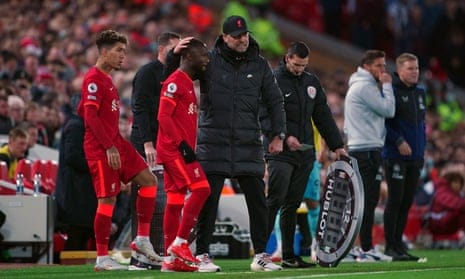

The board with two numbers goes up – one number in red, the other in green, and a player trudges out of the ground as another darts in. Substitutions have been a part of the game since the 1950s. But for the first thirty years, there could be only one player swapped out for another in the course of the game. From 1988, that number rose to two, and it finally became three in 1995. That rule remained in place for a while, with a fourth substitute being allowed in extra time since 2016. The three changes allowed in 90-minute matches felt like an accepted standard. We had all grown very used to it. For people like us, who only started seeing football in the early years of the new millennium, three substitutions were as much a part of the game as free-kicks.
However, during the COVID-19 pandemic, football had to play catch-up with the schedule after being postponed for some time, and administrators came up with the idea of using as many as five substitutes in a 90-minute game, which they duly implemented. It was, as ever, a unilateral decision taken by the governing bodies. It promised to reduce the workload on players during times of heavy fixture congestion. The pandemic subsided, but the change was made permanent. There was not much lamenting about the end of the days of three substitutes, and that’s mostly because the change was constantly justified by the authorities in the name of protecting players and reducing their fatigue and injury issues.
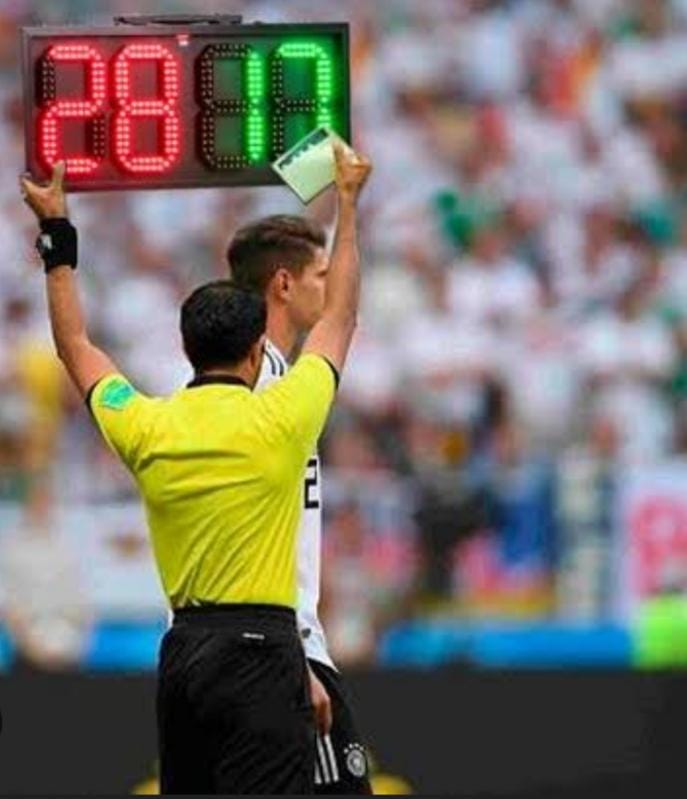
Recently, the top European sides, meeting in Rome, for the European Football Clubs’ (i.e. EFCs) general assembly, discussed informally the possibility of 28-player squads and as many as six substitutions in 90-minute games. And by the rule-book of the modern game, what these financial giants want, they get, sooner or later in some way or form. With that in mind, I think it’s high time to open a discussion about where we draw the line. Even if we don’t agree, conversations about how many substitutions are too many and what the sweet spot is will only help create a broader understanding and fan engagement over an issue that is often legislated without consideration of any fan opinion. More substitutions have often been championed with the promise of a more engaging spectacle, but funnily enough, the spectators’ opinions count for nothing.
Yes, five changes make for a more intense and high-tempo game, but I think there is a point where greater intensity does not necessarily provide a more engaging and entertaining spectacle, and more importantly, we are probably already there. The rapidly vanishing figure of a diminutive midfielder, an obsessive emphasis on turnovers, and forwards allowed lesser and lesser time on the ball all indicate a level of non-negotiable intensity that the era of five substitutes promised. Things will escalate further if as many as six substitutes are available. Somewhere, collectively, we should pause and think, how much intensity do we allow before the remnants of flair and on-the-ball play that had been an indispensable part of the game for so long are almost completely lost in the highest level of the sport.
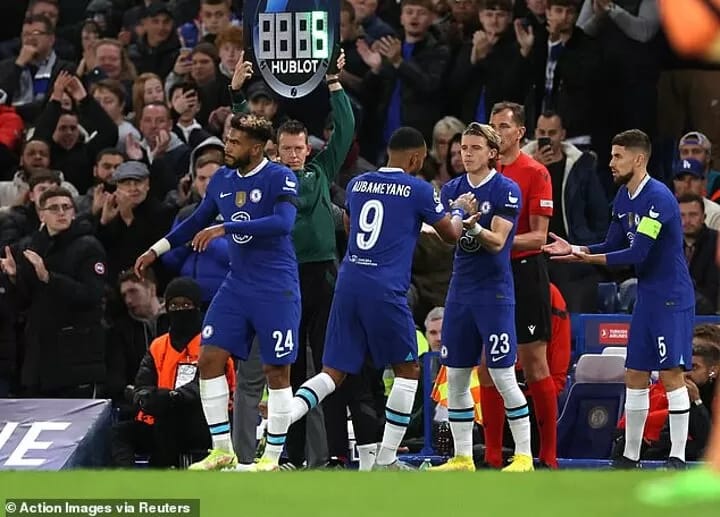
Then comes the question of injury reduction. Michael Cox has argued in a piece on The Athletic that under the present conditions, where among the 20 outfield players, as many as ten are fresher and quicker substitutes, the later stages of the game become way more difficult for starters to navigate. They are constantly chased, challenged and outrun by fresher legs, and it is really difficult to see how that reduces the chances of injuries. In any case, it encourages overexertion from players who are now not only expected but required to play full ninety minutes with almost frenzied intensity, somehow matching the efforts of a ten-player strong contingent of substitutes. That really does seem unfair. While three pairs of fresh legs on each side felt like an intriguing addition to the game, five already feels like an overkill and making it six, which would effectively mean there can be twelve subs and eight starters among the twenty outfielders during the course of a game, reads like a scary prospect for those who intend to last the whole game.
As always, it all mostly just boils down to money. Six substitutes will be ideal for top sides with deep pockets who need and have the means to have a larger and stronger squad, enabling them to compete in multiple competitions within a crowded calendar. None of them wants to create a healthier and sensible football calendar, which has looked overbloated for a long time now. But more matches still mean more revenue. And who doesn’t want a share of that? Some clubs can afford to maintain a large contingent of uber-talented footballers that they can call on from the bench, while most clubs can’t. Many of them still fork out astronomical sums to at least create a strong starting XI. A system which incentivises spending more on squad players could be dangerously unfair to most clubs, thereby increasing the ever-increasing gulf in the near-morbidly inequitable world of football.
Five subs are, in my opinion, some way past the sweet-spot already, but I can still make some peace with it as there are still more starters than substitutes in a ninety-minute game. Once that balance tilts the other way, I feel more and more apprehensive about what would become of the game as we know it. It took 32 years for the game to transition from one substitute to five in 2020, from 1988. I shudder at the thought that during my lifetime, I may see football clubs effectively deploying two full XIs in the same match. With a rotating cast of 44 ultra-fit athletes and one football, the most beautiful game on earth will look quite alien. And oh, yes, with so many changes to make, the stoppages will get even crazier. So while EFC hadn’t reached out to ask me what I think about six substitutes, I think I know my answer. “I’ll pass” will be my laconic response. I have a lot else to say to them, but I think it’s best not to write most of those words down.
Discover more from
Subscribe to get the latest posts sent to your email.