
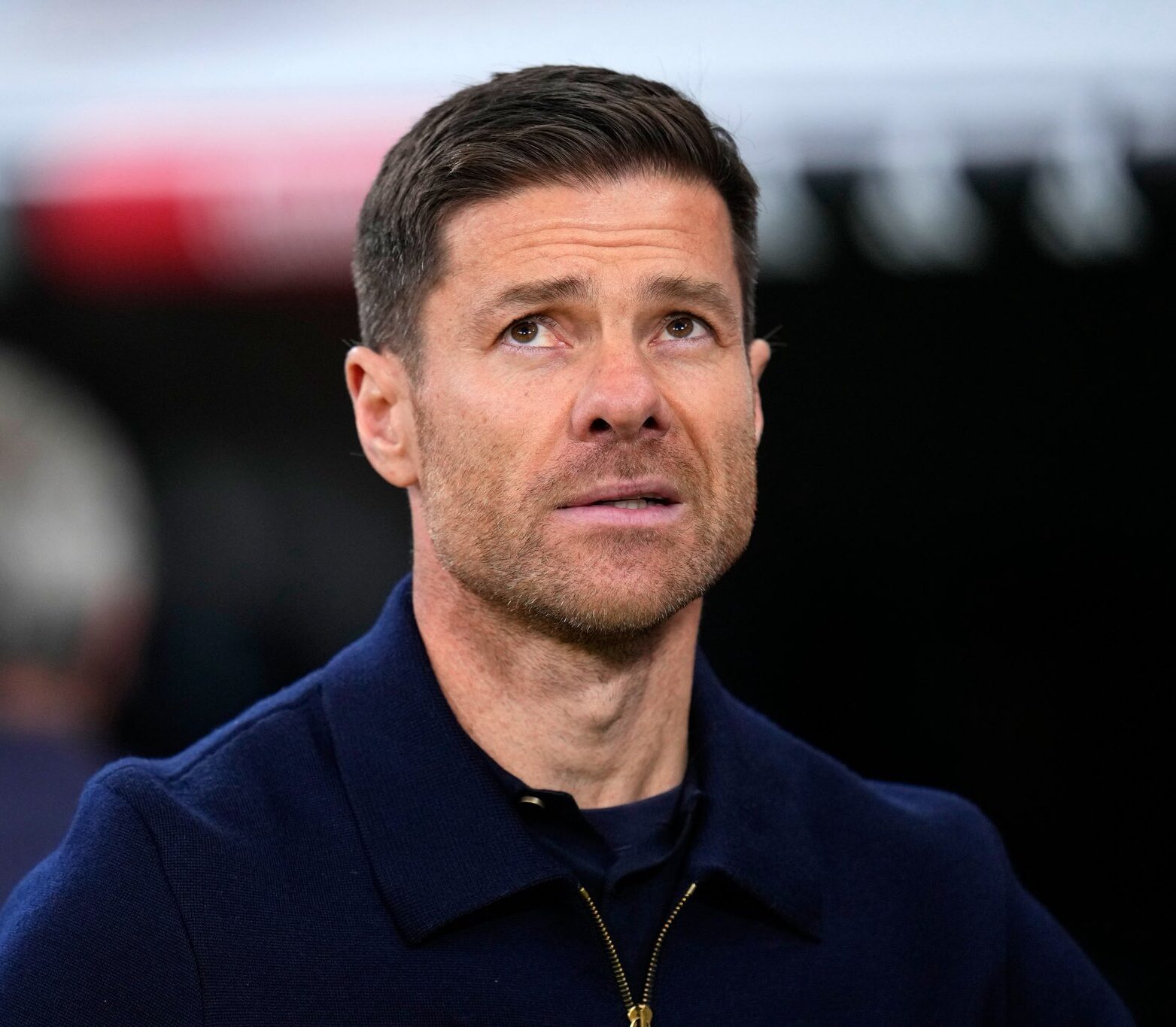

Real Madrid and head coach Xabi Alonso have parted ways by mutual agreement, the club confirmed on Monday, bringing a premature end to a tenure that lasted just seven and a half months.
The announcement came less than 24 hours after Madrid’s defeat to Barcelona in the Spanish Super Cup final in Saudi Arabia. While the club officially cited a consensus decision, sources close to the situation indicate the departure was the inevitable conclusion of a fracturing relationship between the manager, the board, and the dressing room’s most senior figures.
Alvaro Arbeloa, previously the head coach of Real Madrid Castilla, has been named as the immediate successor.
A Clash of Cultures
The final image of Alonso’s reign was perhaps the most telling. Following Sunday’s loss, television cameras captured a tense exchange on the pitch: Alonso instructing his players to form a guard of honour for the victors, and Kylian Mbappé gesturing for the team to leave the field. Ultimately, the squad followed the star forward, leaving the manager standing alone in his request.
For the club hierarchy, the incident was a public confirmation that the manager had lost authority over the dressing room. However, the friction had been building since Alonso’s appointment.
Despite arriving with a formidable reputation following his historic success at Bayer Leverkusen, Alonso reportedly struggled to implement the collective, high-pressing system that defined his previous tenure. The board expressed dissatisfaction to Alonso’s representatives regarding the team’s physical conditioning and the perceived lack of individual player development.
The “Ungovernable” Squad
The core of the conflict lay in the incompatibility between Alonso’s system-first philosophy and Madrid’s culture of individual brilliance. Reports suggest Alonso felt isolated from the start, tasked with transforming a squad built on “moments” into a cohesive positional unit without full buy-in from key personnel.
Several internal issues accelerated the exit:
- Player Power: Vinícius Júnior reportedly clashed with Alonso regarding substitutions, visibly protesting during a recent El Clásico.
- Individualism vs. Collective: Kylian Mbappé’s focus on equaling Cristiano Ronaldo’s record of 59 goals in a calendar year reportedly created tactical imbalances, with Alonso unable to convince the forward to prioritise defensive structures.
- Squad Harmony: Senior figures, including Federico Valverde, allegedly expressed dissatisfaction with their tactical roles.
Results vs. Reality
Statistically, the “crisis” at the Santiago Bernabéu is relative. Real Madrid currently sits in the top eight of the Champions League league phase, has progressed in the Copa del Rey, and trails La Liga leaders Barcelona by just four points—having beaten the Catalans in October.
The dismissal suggests that President Florentino Pérez never fully committed to the long-term project required to transition to Alonso’s style of football. The club’s refusal to sanction the signing of midfielder Martin Zubimendi—Alonso’s preferred target to anchor his system—further undermined the manager’s ability to execute his vision.
What This Means for Real Madrid and Alonso?
For Real Madrid, the appointment of Arbeloa represents a return to a “club man” approach—a figure expected to manage egos rather than impose a rigid tactical identity. The challenge remains immense; if a manager of Alonso’s pedigree could not alter the culture, Arbeloa faces a difficult task in uniting a fractured dressing room.
For Xabi Alonso, the damage to his reputation may be minimal outside of Spain. The consensus among Europe’s elite clubs is that Madrid is a unique outlier—a club where managers are often restricted by political machinations.
Alonso is expected to take a sabbatical to assess his next move. However, with several top European jobs likely to become available in the summer, he remains a highly covetable asset for clubs seeking a modern, systemic coach—provided they are willing to let him manage.
Discover more from
Subscribe to get the latest posts sent to your email.