

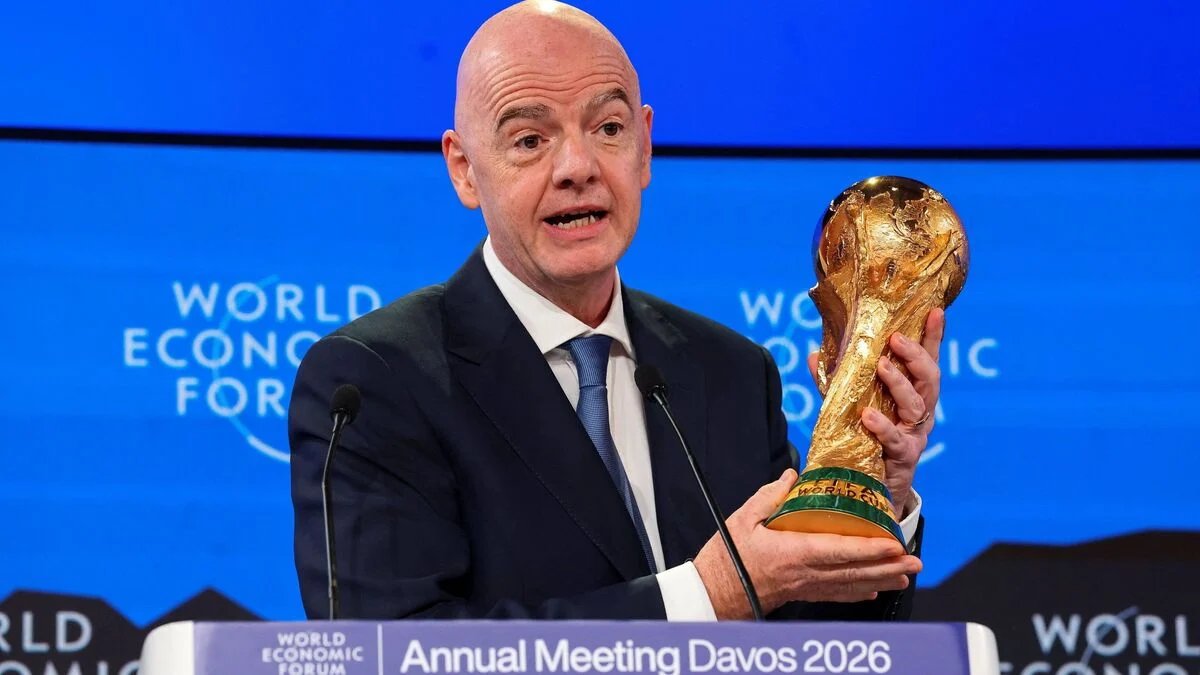

Gianni Infantino’s latest controversy has brought renewed scrutiny to his time at UEFA. But the more revealing story is not the disputed allegation itself. It is how the man UEFA once unanimously backed to lead FIFA has become the focus of an increasingly bitter confrontation between football’s world governing body and European football.
Infantino joined UEFA in 2000 and rose through its administration before becoming general secretary in October 2009. In that role, he reported directly to the UEFA president and Executive Committee and helped oversee the organisation’s administration.
When Infantino entered the FIFA presidential race in October 2015, UEFA’s Executive Committee unanimously backed him. The organisation described him as an experienced administrator who could help restore FIFA’s integrity and credibility after the corruption crisis that had engulfed world football’s governing body.
UEFA maintained that support as the election approached. In January 2016, its Executive Committee again unanimously endorsed Infantino’s candidacy, saying it was certain he was the right person to take FIFA forward.
A month later, Infantino won the FIFA presidency with 115 votes in the second round. UEFA congratulated him and said it looked forward to working with him to promote, protect and develop football around the world.
That relationship now looks remarkably different.
After Infantino’s departure, UEFA entered a new phase under Aleksander Čeferin. Its 2016/17 administration report described the period as a “fresh new era” following a difficult previous period. UEFA introduced governance measures, including term limits for its president and Executive Committee members, new eligibility requirements and changes designed to strengthen good governance and ethics within the organisation.
Infantino, meanwhile, built his own power base at FIFA.
The relationship between FIFA and UEFA was not always openly hostile. During the European Super League crisis in 2021, Infantino publicly backed UEFA’s opposition to the breakaway project, demonstrating that the two organisations could still find common ground on issues affecting the structure of European football.
But the relationship has since deteriorated sharply.
The immediate rupture in 2026 centred on FIFA Forward Enterprise, a proposed commercial vehicle intended to consolidate FIFA’s commercial rights and tournament operations. FIFA said the initiative could generate additional revenue for its 211 member associations, while the proposal involved bringing outside investors into the structure. FIFA initially valued the enterprise at about $20bn and planned to raise up to $4.2bn.
UEFA strongly opposed the proposal. The plan was subsequently withdrawn following widespread resistance from within football’s governing structures.
The withdrawal, however, did not resolve the dispute.
Reuters reported that UEFA maintained its threat to boycott FIFA competitions and said it had lost confidence in Infantino’s presidency. FIFA subsequently apologised to its 211 member associations over the handling of the proposal, but UEFA maintained that its concerns had not been resolved.
The disagreement has now moved beyond UEFA’s leadership.
On Friday, Norway’s Football Federation president Lise Klaveness called for Infantino to resign, saying he no longer had the institutional trust required to lead FIFA. Reuters reported that Norway’s position followed growing opposition to Infantino’s leadership and the fallout from the abandoned commercial proposal.
Yet Infantino remains far from isolated.
The Confederation of African Football’s 54 member associations unanimously backed his leadership this week, while other national associations have continued to support him. Reuters reported that the opposing blocs have so far failed to produce a credible challenger capable of immediately threatening his position.
That exposes the central political reality of the current crisis.
UEFA may have lost confidence in Infantino, but it is only one of FIFA’s six continental confederations. His support among associations outside Europe means the battle over his future is not simply a European revolt against a former UEFA official. It is a wider struggle over the direction of FIFA and the balance of influence within world football.
That is also why the allegations surrounding Infantino’s UEFA years should not obscure the larger story.
UEFA has confirmed that a payment was made to the woman at the centre of the allegations and that its regulations have since been tightened. Infantino has strongly denied the claims concerning their alleged relationship. The payment is therefore an established fact, while the allegations surrounding the relationship and its circumstances remain disputed.
The more significant development is institutional.
In 2015, UEFA’s leadership described Infantino as the man capable of helping restore FIFA’s credibility. In 2016, it congratulated him on becoming FIFA president and said it expected to work closely with him.
A decade later, UEFA says it has lost confidence in his presidency and continues to threaten a boycott of FIFA competitions.
Infantino’s political strength means UEFA alone cannot determine what happens next. But the transformation of their relationship tells us something important about the current FIFA crisis: this is no longer simply a disagreement between a governing body and one of its critics.
It is a battle involving the organisation that once helped put Infantino at the top of world football.
Read more – Why Tottenham want Cody Gakpo – and why Liverpool are refusing to sell
Also see – Is Gianni Infantino’s reign over? FIFA chief fights to save his presidency
Follow Footy Times on Social Media:
Facebook | Instagram | Twitter | YouTube
Discover more from Footy Times
Subscribe to get the latest posts sent to your email.