

A tournament of almost-shocks enters the business end
Glitch-hiking at the 2026 FIFA World Cup #16

The phrase “business end” is often used quite loosely in the context of football tournaments. The quarter-finals of this World Cup are finally upon us. After almost a month of relentless football, with two rounds of knockouts spanning 24 games, we are somewhere that can be uncontroversially dubbed the business end.
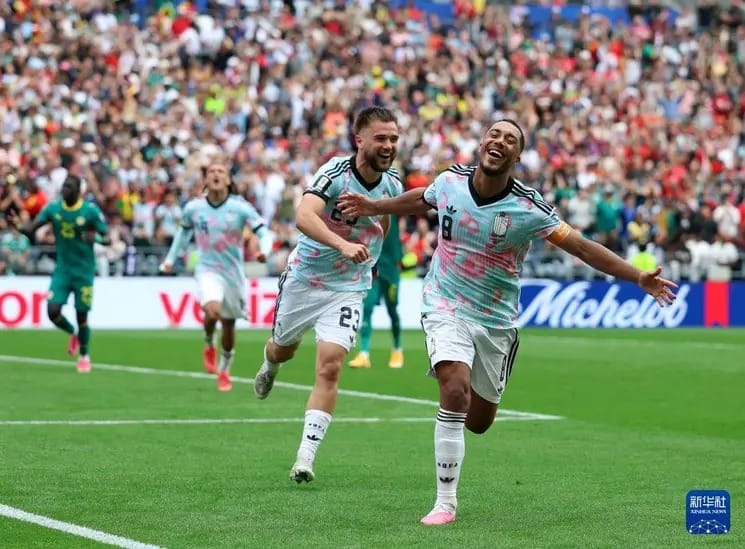
The business end of this World Cup will involve as many as six European sides, with 2022 semi-finalists (and technically speaking AFCON champions) Morocco and reigning World Cup winner Argentina completing the set. There have been some surprising results in the tournament, but for the most part, the last eight consist of teams that were expected to go this far before the tournament started. A 48-team World Cup has been different in a few ways, but it has done little to complicate the composition of football’s status quo.
This has not been a World Cup of shocks. But this has been a tournament where there were many almost-shocks. The fact that the almost-shocks are endlessly discussed as if they were shocks speaks more to how entrenched the hierarchisation within men’s international football has been.
A World Cup with many shocks, say, the 2002 tournament, throws up a rather blandly predictable business end, while a World Cup with few shocks, say, the 2006 tournament, feels bereft of a vital dramatic component.
Keeping that in mind, a tournament of almost-shocks feels like something of a sweet spot. We get the tension as well as the cut-throat top-tier competition in the deep end. It is great for the vast majority of the spectators, but it also seems like a massive opportunity is being missed.
The group stages in the 2026 World Cup have seen none of the eight pre-tournament favourites loses a single match. That in itself is unique.
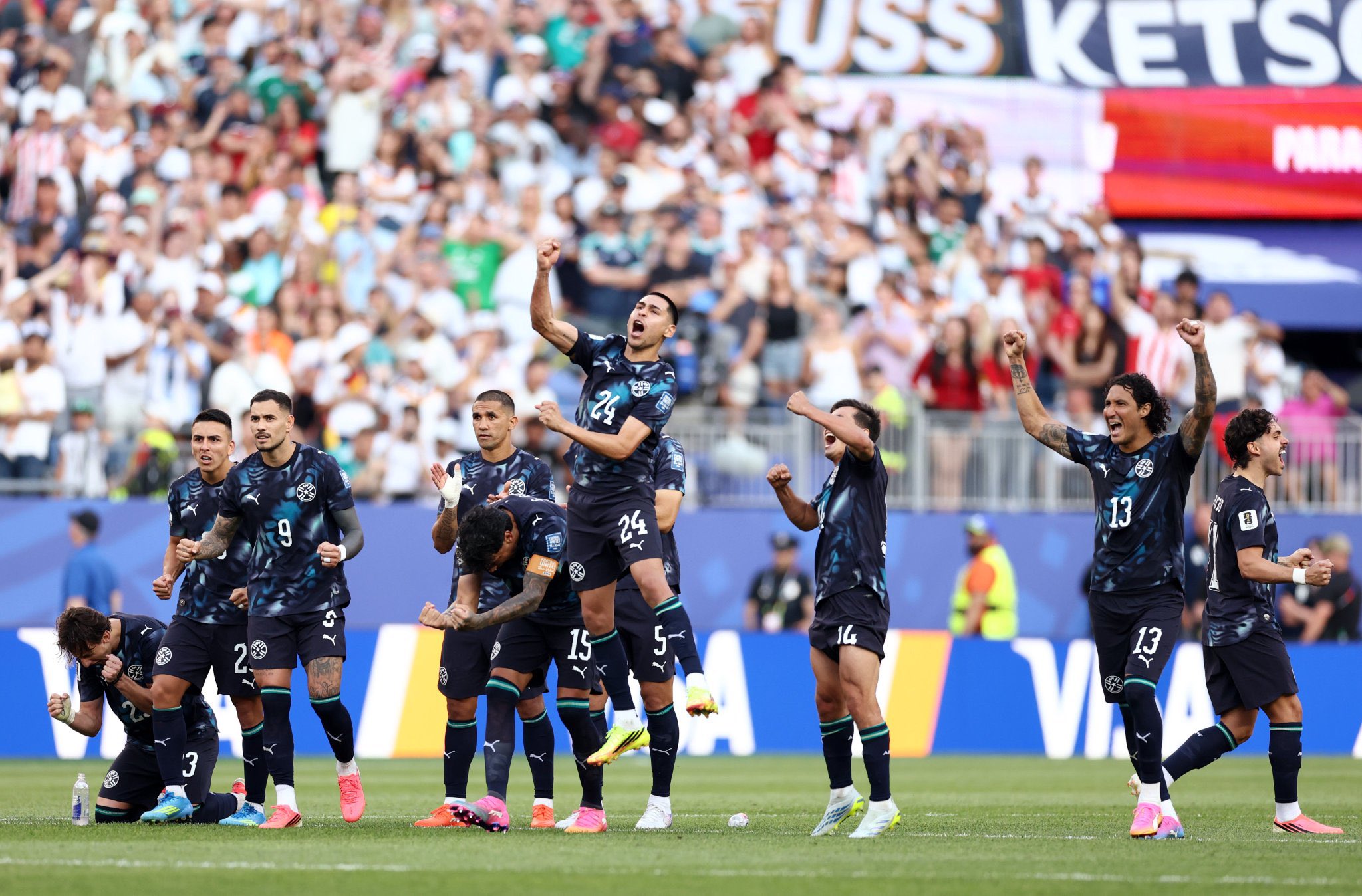
The most unanticipated result in this World Cup yet has been Germany losing to Paraguay on penalties in the round of 32. Germany had exited from the groups in the last two World Cups. So while the defeat against Paraguay was a shock in the wider historical context, it is in keeping with the recent trend.
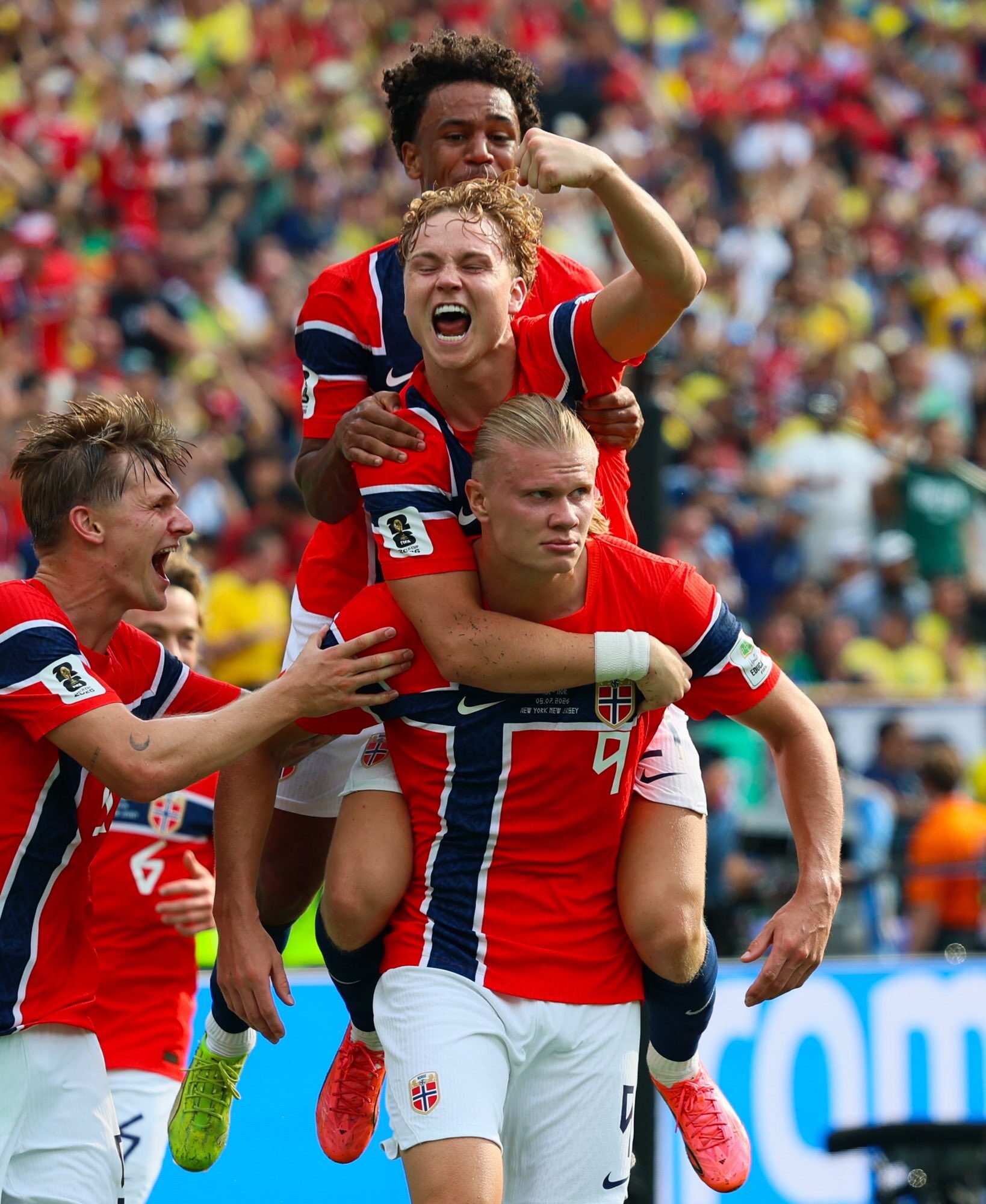
The Netherlands, another long-term heavyweight, lost out in the first knockout round as well, but that defeat came in a tie-breaker against Morocco, who have now cemented their spot as consistent challengers. Many had tipped Morocco to win against the Netherlands. The same goes for Norway’s victory over Brazil in the pre-quarter-finals. On paper, it looks like a massive shock, but many had anticipated this outcome.
Both Norway and Morocco are exciting, upwardly mobile outfits, and despite their freshness and novelty, it would be a disservice to the deserved hype around them to call their last-eight qualifications shocks.
Portugal’s failure to top their group cost them a less complicated route to the last eight and they were undone in the round of sixteen by a Spain team who are the only team yet to concede and are one of the three most likely would-be-champions.
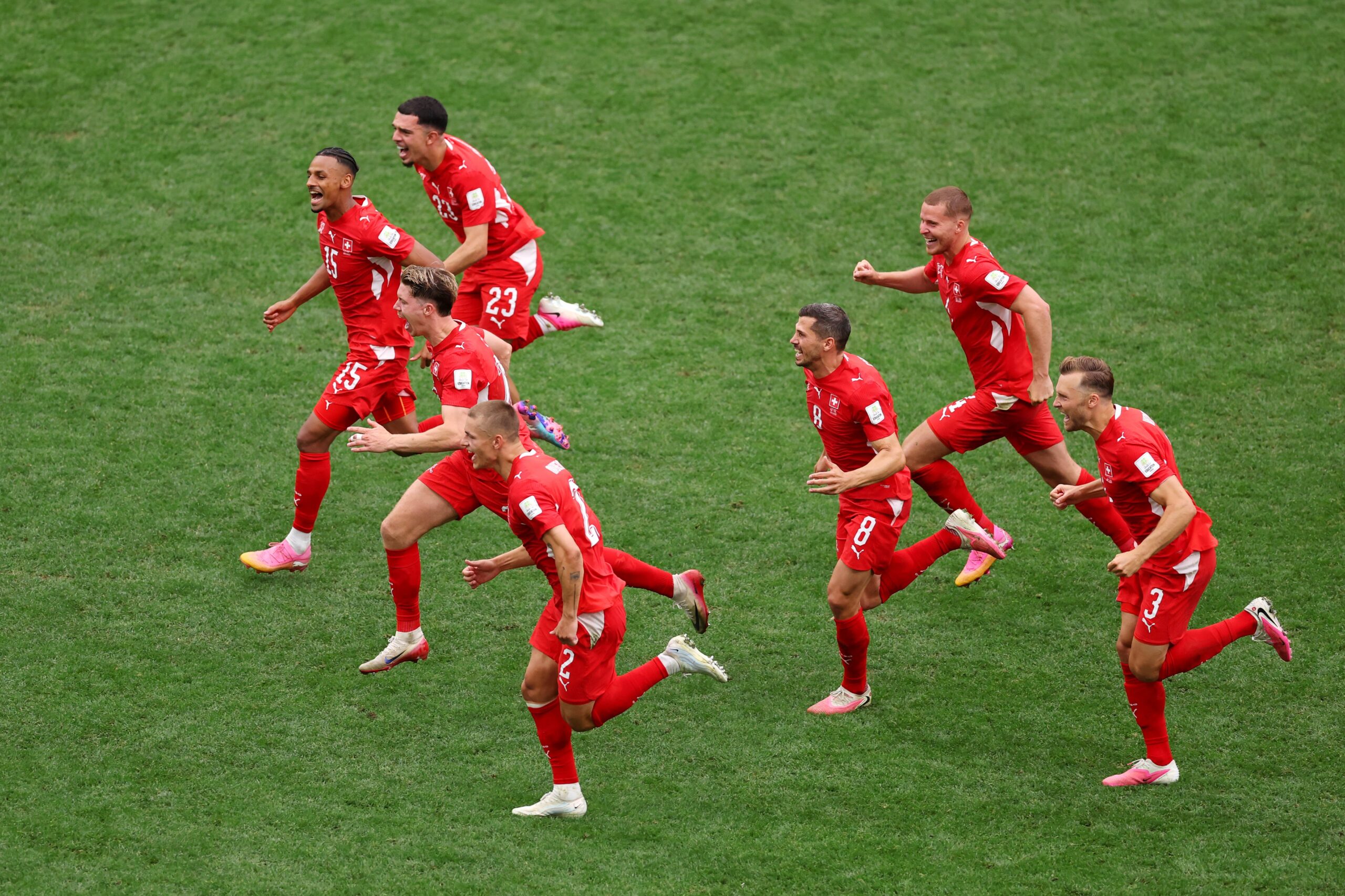
Spain and France have seemed the most formidable in the knockouts. England’s knock-out journey has not really felt cruising, but they have given an optimistic account of themselves as a whole. Argentina’s knockout route has been easy on paper, but the team has shown deep vulnerabilities and has won both games in a laboured, unsustainable fashion. Switzerland has made the most of their relatively open qualification bracket, and so has Belgium.
So far, the best matches in this tournament have seen bigger teams toil hard, but still win in the end. The Western European hegemony has held firm. The two non-European sides in the quarter-finals have heavily benefited from their strong positions in the over-exploited football teen labour market, which sees these countries mostly outsource their training to Western European coaching academies.
Despite a substantial increase in the number of participants from CAF, African sides, except Morocco, have mostly flattered to deceive. DR Congo, Senegal and Egypt have all squandered presentable opportunities to dump out England, Belgium and Argentina, respectively. Cape Verde and the Ivory Coast fought valiantly but failed to keep up over the length of the entire game.
CONCACAF countries, from the continents of the host, had a good run, but none of them could get past the second round of the knockouts. South Korea had a miserable tournament. Iran was undone by systemic injustice and for not being that good. From the AFC, only Japan and Australia could qualify for the round of 32, where their campaigns ended.
Despite Paraguay’s unexpected win against Germany, with Uruguay failing to make it out of the group and qualification-surprise-package Ecuador losing meekly to Mexico in the first knock-out rounds, it is not a memorable tournament for the CONMEBOL sides. Brazil and Colombia were dumped out by the first European team they met in the knock-outs, and Argentina continues to look shaky and one-dimensional.
This World Cup reinforces the fact that, despite all the talk of anticipated tectonic shifts at the top of men’s international football, such a transformation has remained a pipe dream. The 1994 World Cup in the USA saw 7 European countries and Brazil fighting it out in the last eight, and it seems like a similar situation this time too.
There have been moments during the tournaments since when the European (with Brazil and Argentina) stranglehold on the top seems to have been cracking but that never materialises into anything permanent. The overall competition has become more challenging, and the number of teams that can hold their own against the very top sides has increased manyfold. But all that creates a bigger and robust second-tier of challengers who look good on paper and achieve quite a few striking one-off results against the powerhouses, but can’t do enough to seriously intrude into and disrupt the make-up of the elite.
A World Cup of almost-shocks acts as a reminder to a football world locked in a loop of perennial hope and dissatisfaction at the status of the almost-elites. Neoliberal world has a wonderful capacity of selectively granting upward mobility without ever opening the gates to the zealously guarded small clique that decides what is hegemonic.
Discover more from Footy Times
Subscribe to get the latest posts sent to your email.