

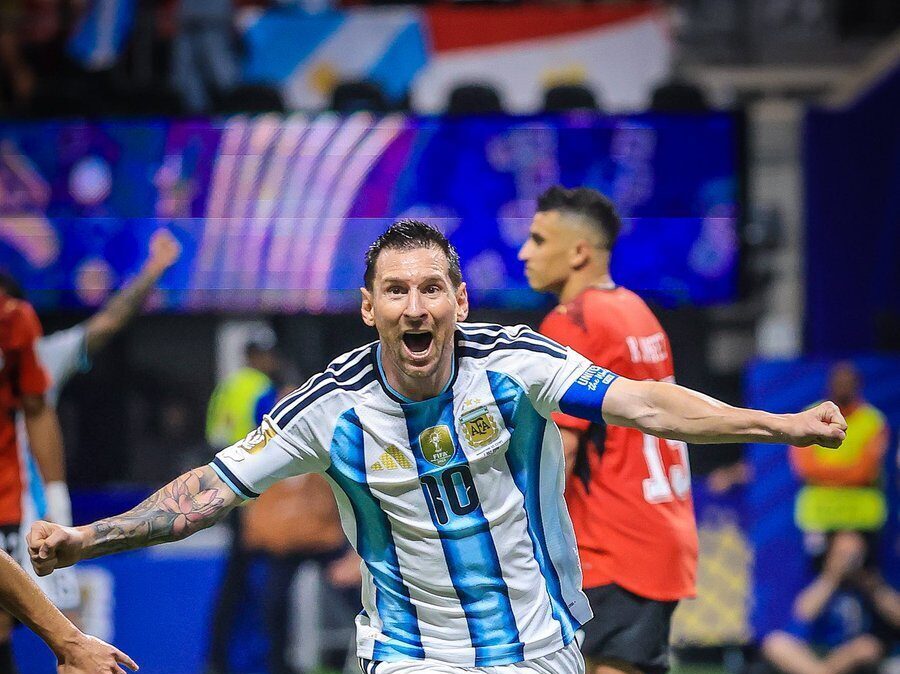

Argentina‘s dramatic march into the quarter-finals of the 2026 fifa.com/tournaments/mens/worldcup” target=”_blank” rel=”noopener noreferrer”>FIFA World Cup has sparked more than admiration. Following consecutive 3-2 knockout victories over Cape Verde and Egypt, the defending champions have found themselves at the center of growing debate over officiating decisions and whether they have benefited from favorable treatment throughout the tournament.
The controversy intensified after Egypt’s heartbreaking last-16 defeat. Having surrendered a two-goal lead in the closing stages, the Pharaohs accused match officials of making critical errors that altered the outcome. Head coach Hossam Hassan claimed his side had been unfairly treated and even questioned whether FIFA had an interest in keeping both the reigning champions and Lionel Messi in the competition.
Egypt Questions Key Refereeing Calls
Egypt’s frustration stems from several contentious moments during the match. Mostafa Zico had a goal ruled out after VAR determined that Marwan Attia committed a foul on Lisandro Martínez earlier in the move. While the decision followed video review, it remains one of the most disputed moments of the knockout stage.
The Egyptians also believed they should have received penalties after challenges involving Hamdi Fathy and Mohamed Salah before Enzo Fernández scored Argentina’s dramatic stoppage-time winner. Although the incidents generated widespread debate, they stopped short of providing conclusive evidence of officiating bias.
Appointment of Argentine Officials Raises Eyebrows
Questions surrounding neutrality have also emerged after FIFA appointed an entirely Argentine on-field officiating team for the quarter-final between France and Morocco.
While elite referees are expected to perform independently regardless of nationality, critics argue that assigning Argentine officials to a match involving one of Argentina’s biggest potential rivals creates an unnecessary perception problem, even if there is no suggestion of deliberate misconduct.
Earlier Messi Incident Returns to Spotlight
The debate has also revived scrutiny of an earlier group-stage incident involving Lionel Messi. The Argentine captain escaped disciplinary action after a challenge on Algeria’s Aissa Mandi that some observers compared to the tackle that later earned United States striker Folarin Balogun a red card following VAR intervention.
Had Messi been dismissed, he would likely have missed subsequent matches in which he added five more goals to his tournament tally. Although every incident is judged individually, the differing outcomes have fueled claims of inconsistent officiating.
Statistical Trends Fuel Debate
Tournament statistics have further contributed to the discussion. Argentina have received relatively few yellow cards compared to the number of fouls they have committed, giving rise to suggestions that the team has been punished less severely than several other nations.
England, by comparison, have accumulated significantly more cautions despite committing fewer fouls, while Norway remains among the tournament’s least-booked sides. Although disciplinary statistics alone cannot establish favoritism, they have become part of the broader conversation surrounding Argentina’s campaign.
Tournament Format Also Under Scrutiny
Attention has also turned to the structure of the World Cup draw. FIFA’s decision to separate the world’s four highest-ranked teams into different quarters ensured that Argentina, France, Spain and England could not meet before the semi-finals if they topped their groups.
As a result, Argentina’s knockout path has included lower-ranked opponents such as Cape Verde, Egypt and now Switzerland, while teams like Spain and France have faced considerably tougher opposition earlier in the tournament.
No Proof of Conspiracy, But Questions Persist
Despite the mounting criticism, none of the disputed incidents provides definitive proof that Argentina or Messi have received special treatment. Most of the controversial decisions remain subjective interpretations of football’s laws rather than clear officiating mistakes.
Still, the combination of contentious VAR decisions, disciplinary inconsistencies, referee appointments and a comparatively favorable route to the latter stages has ensured that debate surrounding Argentina’s World Cup journey shows little sign of fading as the tournament enters its decisive phase.
Discover more from Footy Times
Subscribe to get the latest posts sent to your email.