

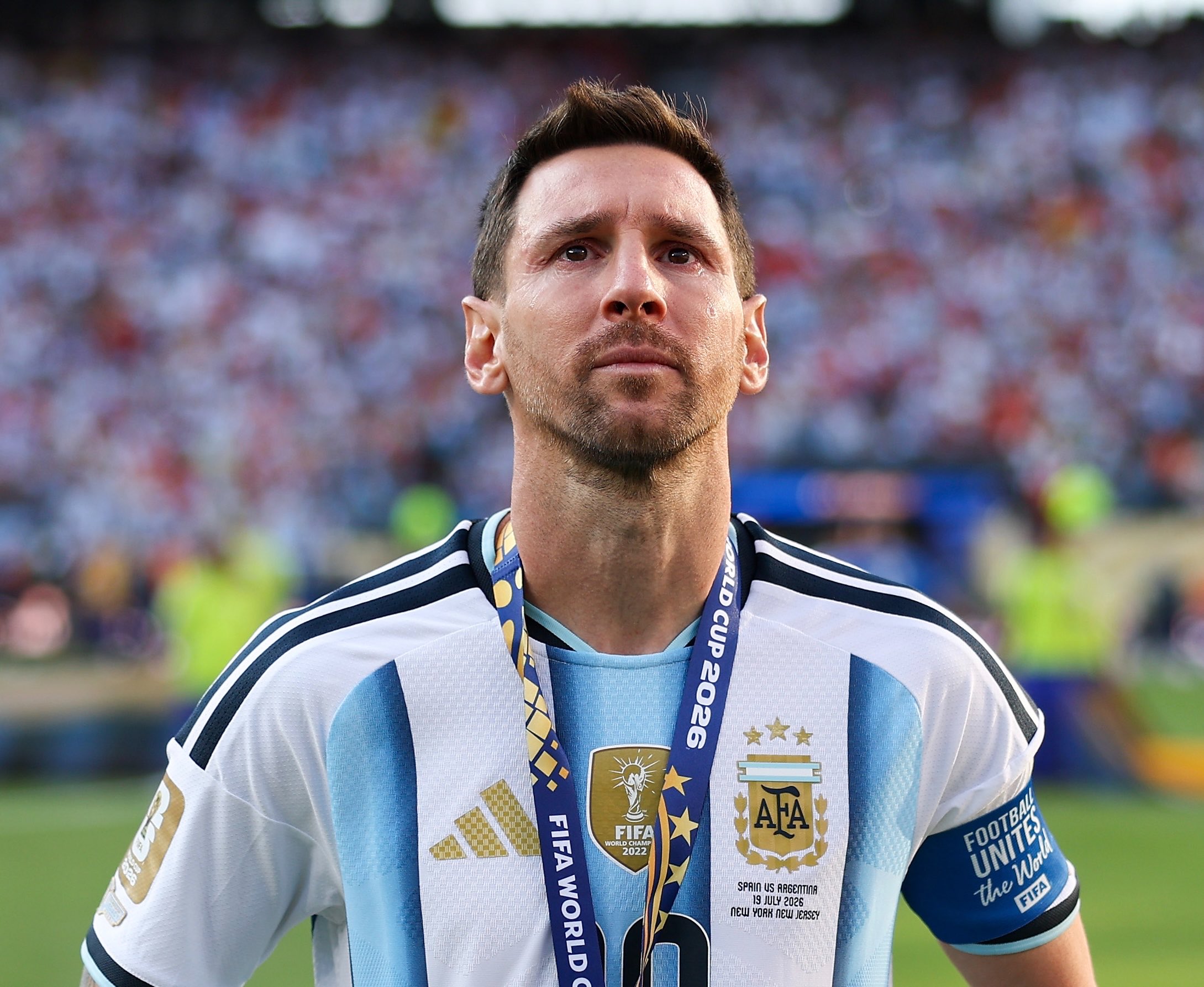
Was Argentina’s World Cup Final Defeat Fixed? Viral Conspiracy Theories Debunked After Spain Loss

Argentina‘s 1-0 defeat to Spain in the 2026 fifa.com/tournaments/mens/worldcup” target=”_blank” rel=”noopener noreferrer”>FIFA World Cup final has sparked a wave of conspiracy theories across social media, with unfounded claims suggesting the match was manipulated. However, fact-checking organizations and Argentina head coach Lionel Scaloni have firmly rejected the allegations, insisting there is no evidence to support the rumours.
Within hours of Spain lifting the World Cup trophy, platforms including X, TikTok, Facebook and YouTube were flooded with posts claiming Argentina’s defeat had been orchestrated. The theories quickly gained traction among disappointed fans despite a complete lack of credible evidence.
One of the most widely circulated claims alleged that FIFA and UEFA had secretly worked together to ensure Spain became world champions. Another suggested Argentina had been “punished” by FIFA after players displayed a banner reading “Las Malvinas son argentinas” (“The Falkland Islands are Argentine”) following their World Cup semi-final victory over England.
🚨🇦🇷 𝗡𝗘𝗪: More and more Argentina fans are becoming convinced that something happened before the World Cup final because of the following events:
• Diego Simeone was in the stands for almost every Argentina match, but was absent for the final.
• Messi's family did not… pic.twitter.com/mg3FB0ElV4
— The Touchline | 𝐓 (@TouchlineX) July 22, 2026
Other posts even claimed Argentine players had been threatened before the final or subjected to unusual treatment behind the scenes. None of these accusations were backed by documents, witness testimony or official complaints.
The speculation was examined by independent fact-checking organizations, including Chequeado in Argentina and Maldita.es in Spain, both of which found no evidence supporting the viral claims.
Another video that fuelled online speculation showed captain Lionel Messi delivering his pre-match speech, telling teammates to “forget everything.” Social media users interpreted the phrase as a sign of outside pressure on the squad. However, the full recording showed Messi was simply encouraging his teammates to block out distractions and focus solely on the match.
Argentina coach Lionel Scaloni also dismissed the rumours during his post-match press conference.
“I don’t look at social media, I don’t know anything,” Scaloni said when asked about the conspiracy theories.
He also denied claims that the team had faced an unexpected anti-doping test or any disciplinary action related to the political banner displayed after defeating England.
Regarding the defeat itself, Scaloni offered a straightforward assessment.
“We lost because they played better. It’s good to acknowledge that.”
The match statistics supported his view. Argentina failed to register a single shot on target across the full 120 minutes, while Spain controlled much of the contest before securing a 1-0 victory to claim their second FIFA World Cup title.
Spain’s ambassador to Argentina, Joaquín María de Arístegui, also rejected suggestions that the result had been fixed, attributing Spain’s success to their tactical superiority rather than any external influence.
Interestingly, the conspiracy narratives mirrored claims made earlier in the tournament—but in reverse. During the World Cup, several online posts had accused FIFA of favouring Argentina through refereeing decisions and VAR interventions. Those allegations were also investigated and found to be baseless.
Experts on misinformation say conspiracy theories often emerge after emotionally significant events because they provide simple explanations for painful or unexpected outcomes. Reports by fact-checking groups Chequeado, Africa Check and Full Fact note that such narratives frequently rely on allegations of secret plots by powerful organisations while discouraging objective analysis of what actually happened on the field.
With no evidence supporting claims of match-fixing or outside interference, fact-checkers continue to urge fans to verify information through reliable sources before sharing sensational claims online, particularly after high-profile sporting events that generate intense emotional reactions.
Read more – Player ratings as Spain humble Argentina to claim second World Cup
Follow Footy Times on Social Media:
Facebook | Instagram | Twitter | YouTube
Related
Discover more from Footy Times
Subscribe to get the latest posts sent to your email.