
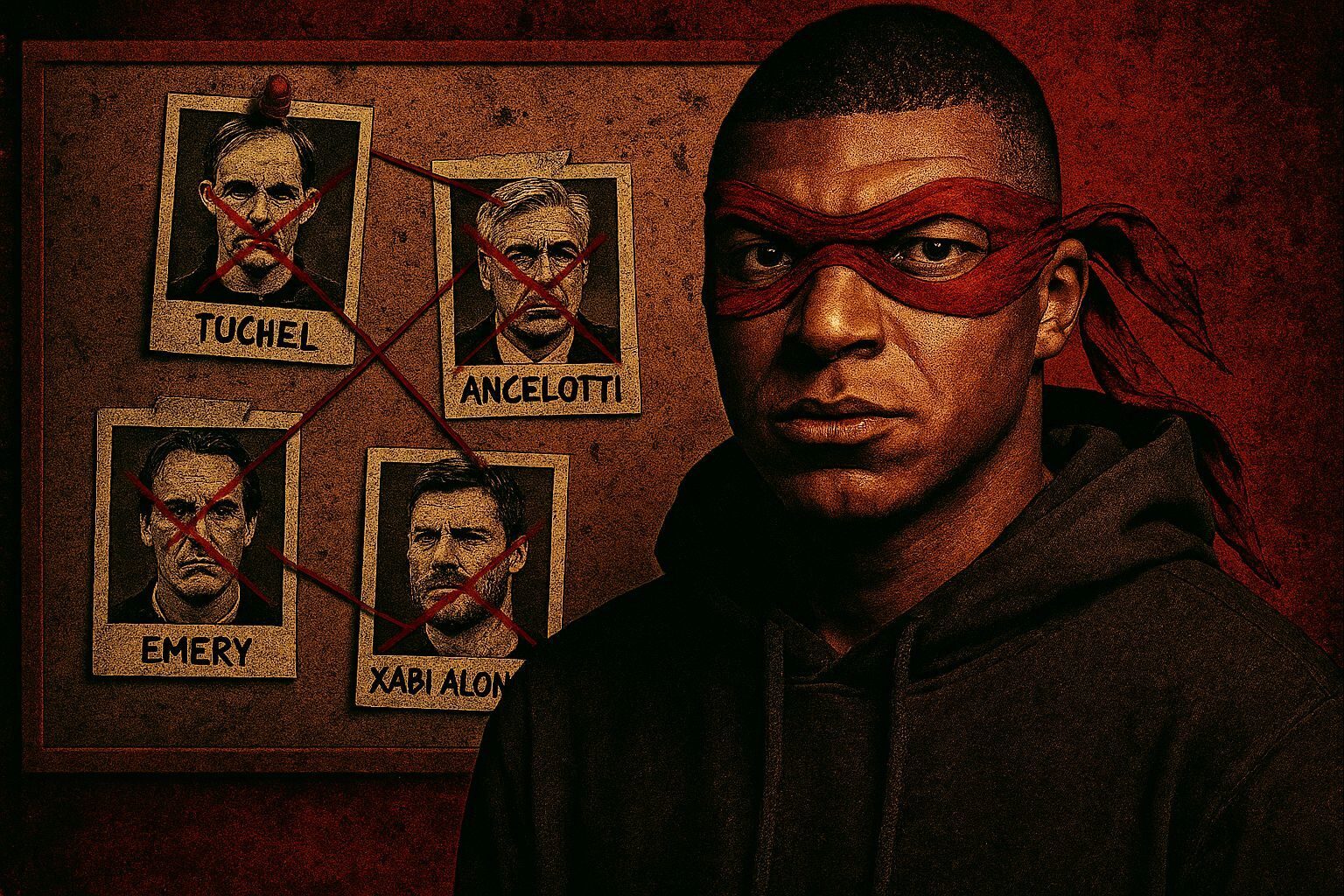

There is an old saying in football. Players lose matches, managers lose jobs. But in the age of Kylian Mbappé, that line feels less like wisdom and more like a warning label. The proverb is catching fame after Real Madrid fired Xabi Alonso, who was brought to Bernabeu with higher expectations but barely lasted long enough to unpack his coaching ideas. Although Xabi’s removal was dressed up in usual corporate terms like “mutual agreement”, “strategic reset”, “best for all parties”, the whole issue has its very own cinematic universe. The Mbappé Paradox.
Alonso’s downfall was not forged in Jeddah on a single night against Barcelona. His fate was sealed long before the final whistle of the Supercopa de Espana. He stepped into a dressing room overflowing with status, star power and unspoken hierarchy, where authority exists, but only until it becomes inconvenient. And somehow it looks like Kylian Mbappé and the lobby are controlling the ecosystem. As the system works, betters say how it should work.
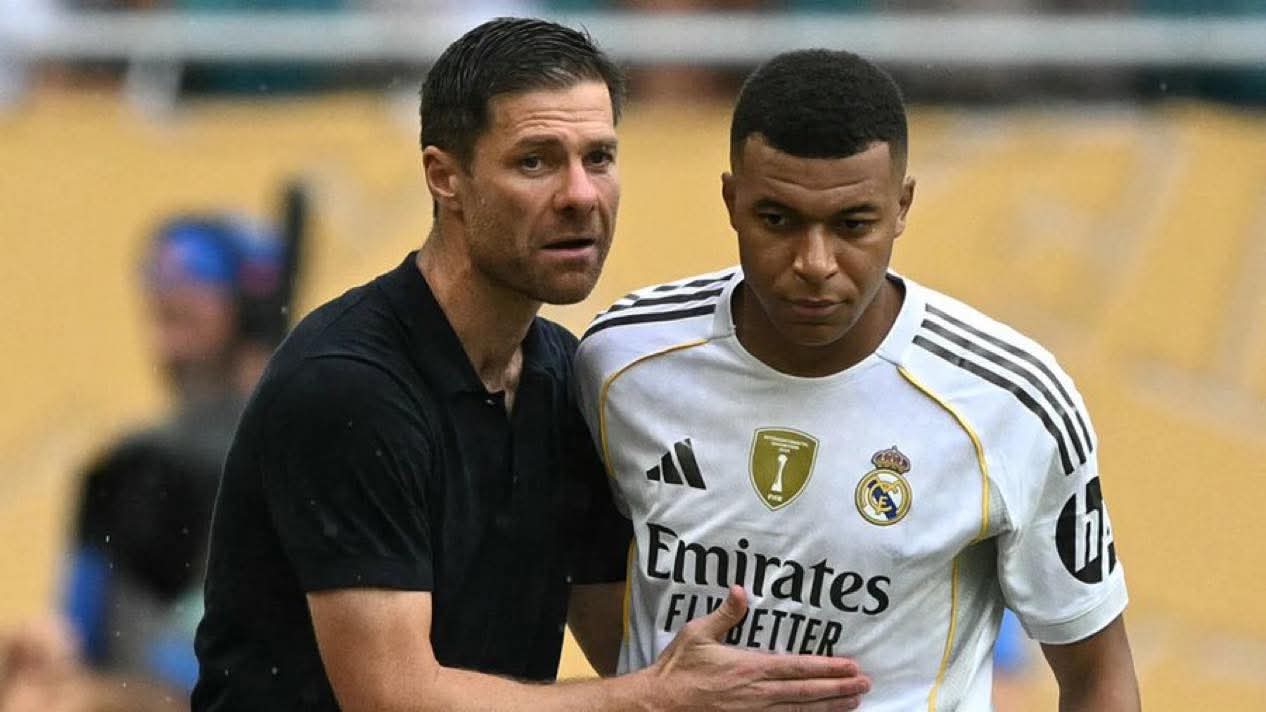
So far, Real Madrid publicise themselves, no player is bigger than the club, however they failed to back their own man, who has deep connections with the club.
But to be absolutely clear, Mbappé does not sack Xabi. Then why is this feature even relevant? As he does not call presidents or write dismissal letters. Modern football, however, does not need villains—it runs on influence. When a club is built around one superstar, everything else begins to orbit him: tactics, recruitment, communication, and eventually, accountability.
The Numbers Alone Tell An Uncomfortable Story
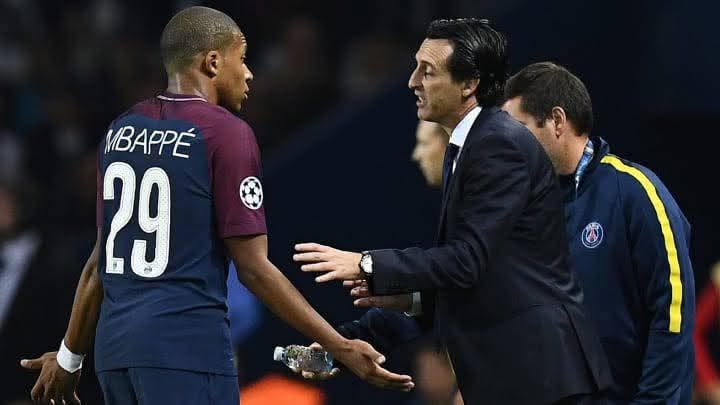
Since Mbappé emerged as PSG’s central figure in 2018, managerial stability has been more illusion than reality. Unai Emery, the first to inherit the project, lasted just one season alongside him before being discarded in the familiar search for “progress”. Thomas Tuchel survived two and a half years, a small eternity by PSG standards, yet even leading the club to its first-ever Champions League final was not enough to buy him protection. When the balance of power tilted, silverware proved negotiable.
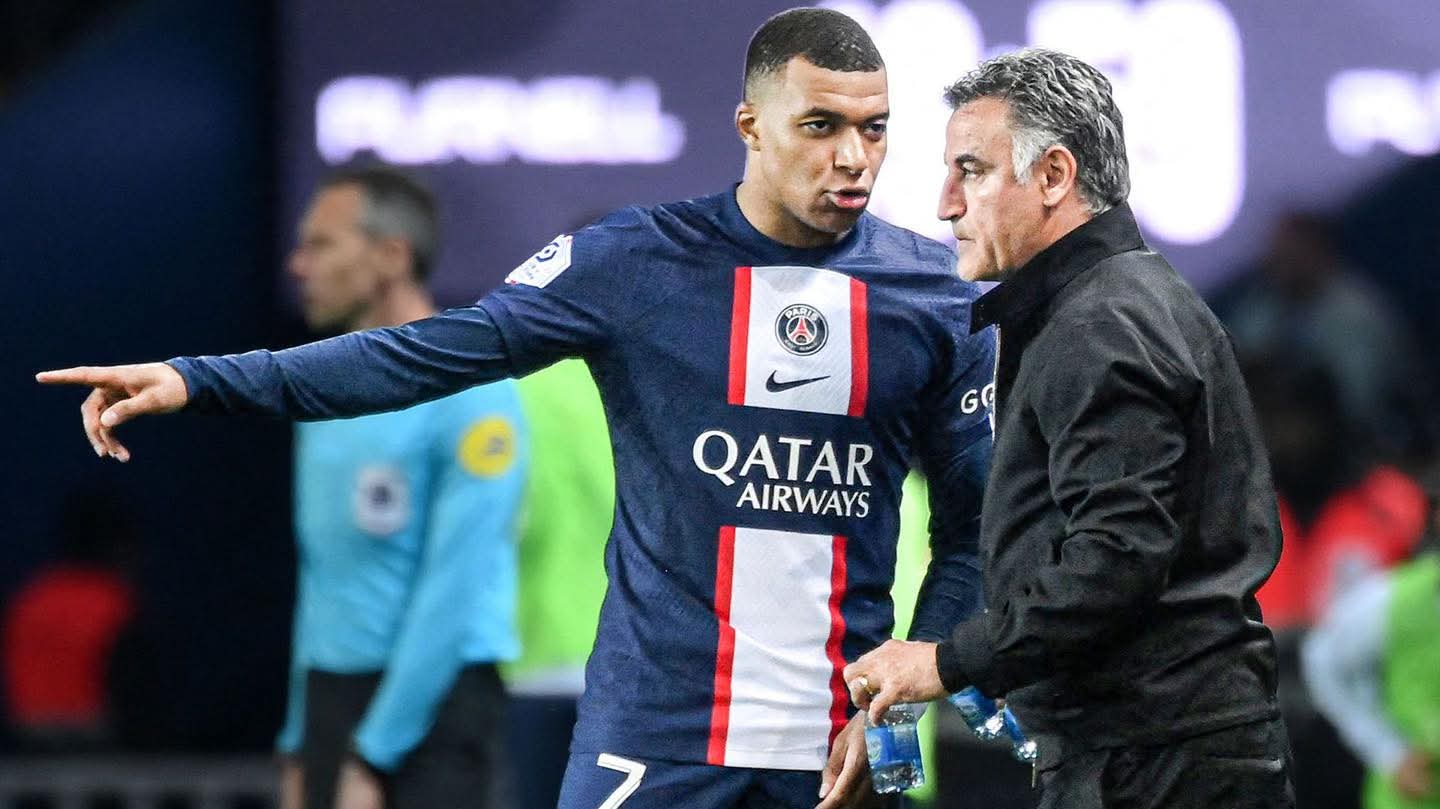
Mauricio Pochettino followed, tasked with restoring harmony rather than building identity. Eighteen months later, despite domestic trophies, he too was gone. Another coach caught between dressing-room politics and boardroom impatience. Christophe Galtier barely had time to settle before the same script played out: one season, internal tension, polite exit. At PSG, the managerial role became less about shaping a team and more about surviving the gravitational pull of a project designed around one man.
What makes the pattern harder to dismiss is that it did not remain confined to Paris. When Mbappé arrived at Real Madrid, the expectation was that a more “institutional” club would finally break the cycle. Instead, the carousel simply changed colours. Carlo Ancelotti, one of the most experienced and decorated managers in football history, lasted just a single season before being replaced. Xabi Alonso, appointed as a long-term project and a symbol of renewal, did not even reach his first full year. Six to seven months was all it took for Madrid to revert to instinct over patience.
This is not about questioning Mbappé’s professionalism or talent—both are beyond doubt. It is about what happens when clubs place so much symbolic, sporting and commercial weight on one player that everything else becomes adjustable. In such ecosystems, managers are no longer architects; they are caretakers. And caretakers, in elite football, are always temporary.
Official’s Even Barely Escapes
At PSG, the instability didn’t stop with coaches. In 2022, sporting director Leonardo, a powerful figure within the club’s hierarchy, was removed as PSG restructured its sporting leadership. Officially, it was about “modernisation”. Unofficially, it coincided with a moment when the club openly committed to building everything—project, identity, future—around Mbappé. Luis Campos arrived, power was redistributed, and PSG’s internal politics quietly shifted.
Not About the Blame but Patterns
When a club bends its entire sporting structure around one player, the margin for managerial authority shrinks. Coaches stop being leaders and become negotiators. Tactical discipline becomes optional. Long-term projects turn into short-term firefighting exercises. When results dip, the logic is simple: protect the asset, change the manager.
Real Madrid know this playbook well. They hired Alonso for his intelligence, clarity and tactical control. Then placed him in an environment where control was the one thing he was never truly allowed. He was asked to manage egos without being empowered to challenge them. That is like sending a firefighter into a blaze without water and blaming him when the building burns down.
The Supercopa defeat merely provided cover. It allowed the board to act decisively without asking uncomfortable questions about squad balance, player accountability or their own lack of patience. Once again, the manager paid the price so the dressing room could breathe easier.
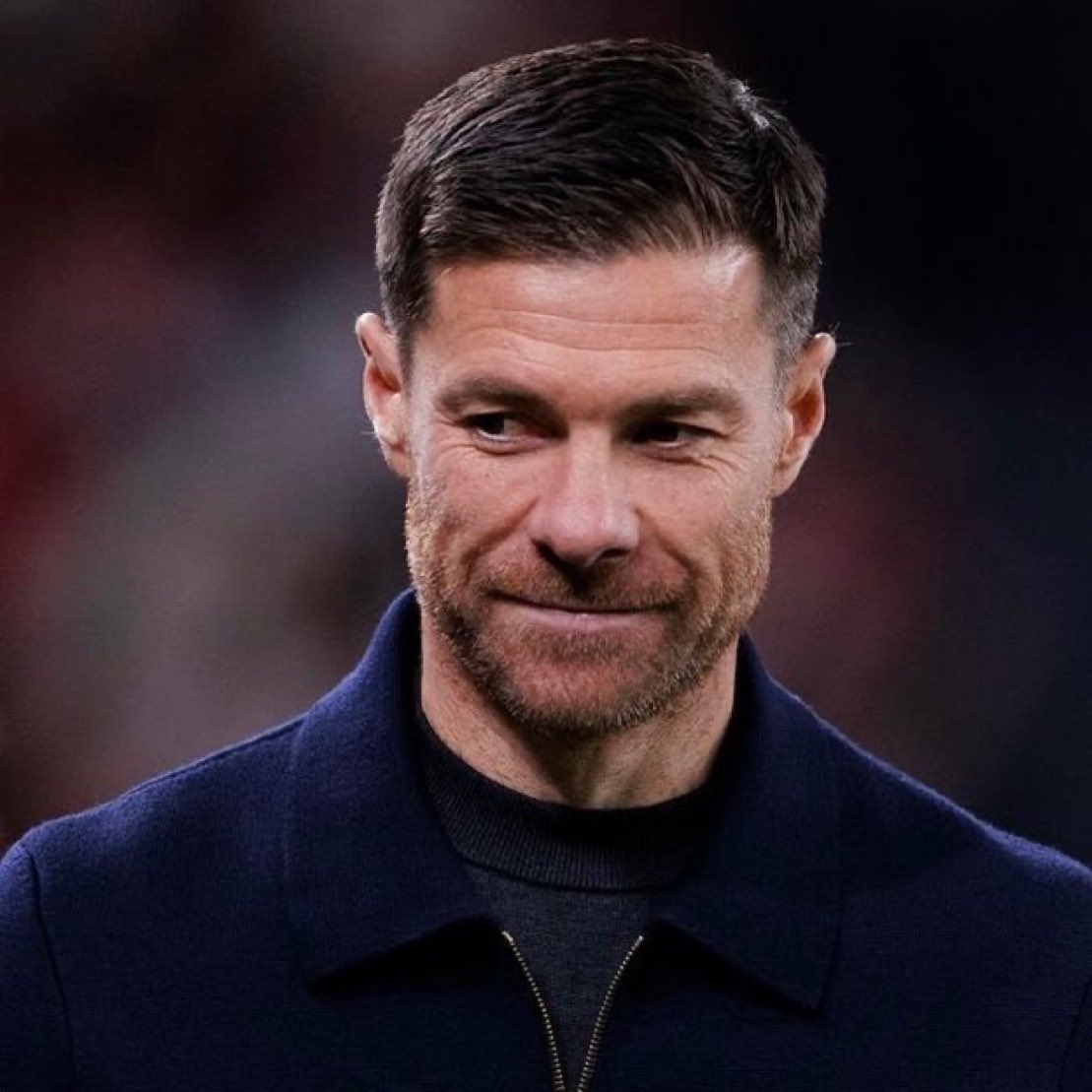
Replacing Alonso with Álvaro Arbeloa says everything. A loyal club man. Familiar. Non-threatening. Safe. Madrid did not choose disruption—they chose comfort. They did not choose evolution, they chose calm. But calm is expensive. Every time a club prioritises harmony over authority, it chips away at its own foundations. Managers become temporary shields. Stars become permanent institutions. And the cycle repeats itself.
Xabi Alonso leaves Real Madrid not as a failed coach, but as another name in a growing list of talented managers who discovered that at elite clubs, ideas matter less than power dynamics. At PSG and Madrid alike, the message has been consistent. Projects are optional, stars are not.
Football loves to say no one is bigger than the club. Reality, however, keeps telling a different story—one sacked manager at a time.
Discover more from
Subscribe to get the latest posts sent to your email.