

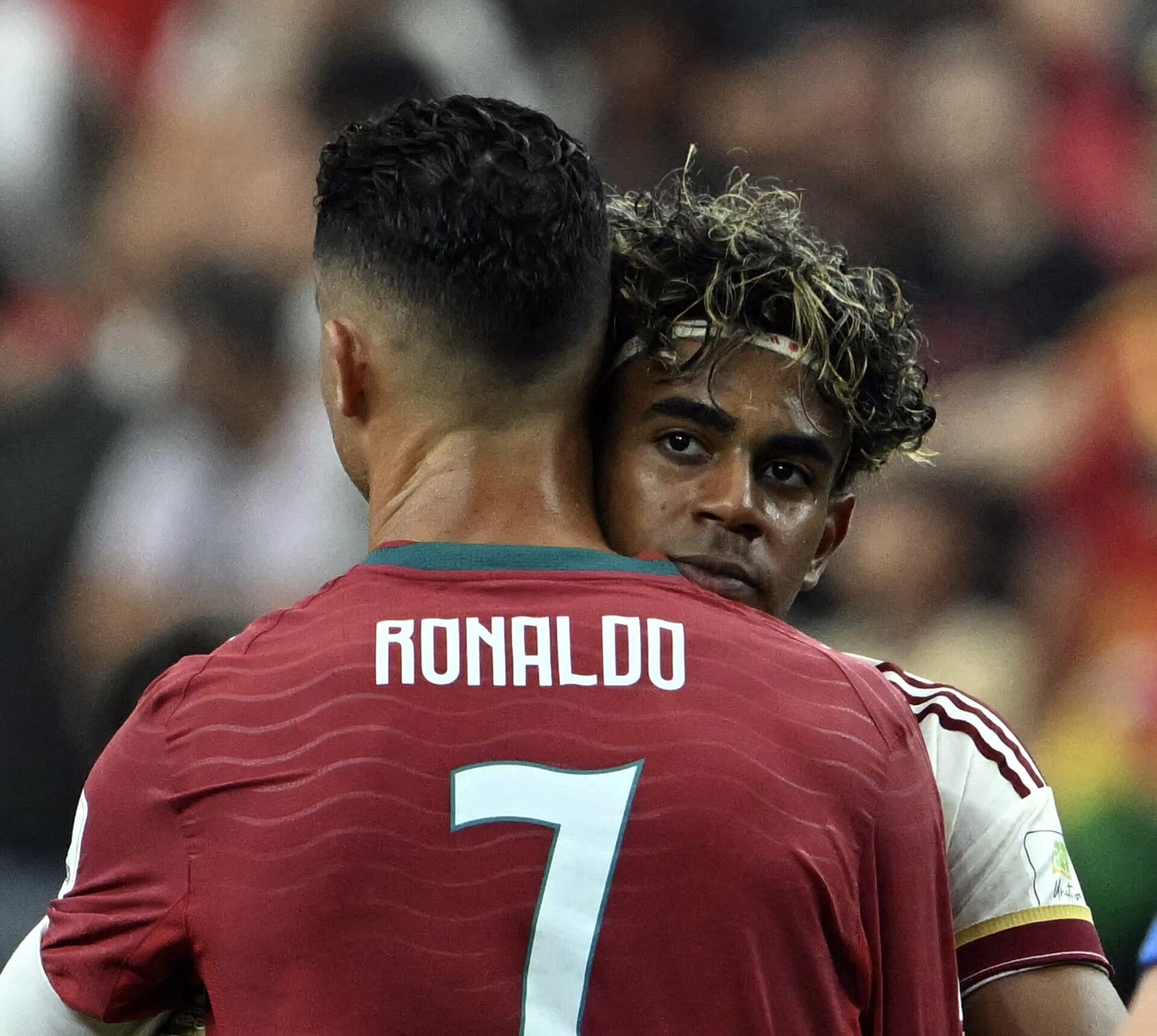
Two days of pre-quarterfinals that history will remember
Glich-hiking at the 2026 FIFA World Cup #15

This world cup has seen more than ninety games in less than four weeks. It has been so tremendously full of stories and various narrative arcs, that it has been really difficult to keep up with it in real time. In a world of enshittified apps, AI slop and insane information overdose that tires one to dementia, this is a world cup that set out to dominate a sickening scene of global news-cycle that is impossible to talk about without resorting to hyperbole. This world cup is not unique. It’s just more overt and louder. And it is a testament to the powers of a silly sport of twenty two people kicking a ball, that this tournament has created moments that will reverberate long. This world cup could not make the myth of an undivided world seem plausible, but it did remind us that hostility and hate aren’t the only valid feelings.
In a tournament of cognitive overload, a lot of events and moments wash away in the inertia of a fast moving tournament calendar and every story seems huge in its immediate and urgent context. But as someone fascinated by how world cups are remembered, the last couple of days of this tournament seemed to be full of stories that will be recounted for decades to come.
The first two games of the round of 16 were only ever going one way. Morocco and France duly booked their quarterfinal berths. But the next four round-of-16 ties were relentlessly engaging. There were two instant classics, a turgid affair between two of the strongest sides coming into the tournament, and a match where the world wanted the primary hosts to lose. The first knock-out round had satiated us with many close-faught games and injury time goals but after all it could not shake-off the feeling of being too far away from the business end. The round of 16 has seemed much more cut-throat.
The match-up between Norway and Brazil promised a lot. The fixture had a history in the world cup but it also had a sense of novelty about it. Norway has been the only international side that Brazil’s senior men’s team has not won a match against. That was for so long a funny statistical quirk, a quiz-worthy trivia. But that said little because these two sides had never before faced off in a game where something was at stake. But now they have.
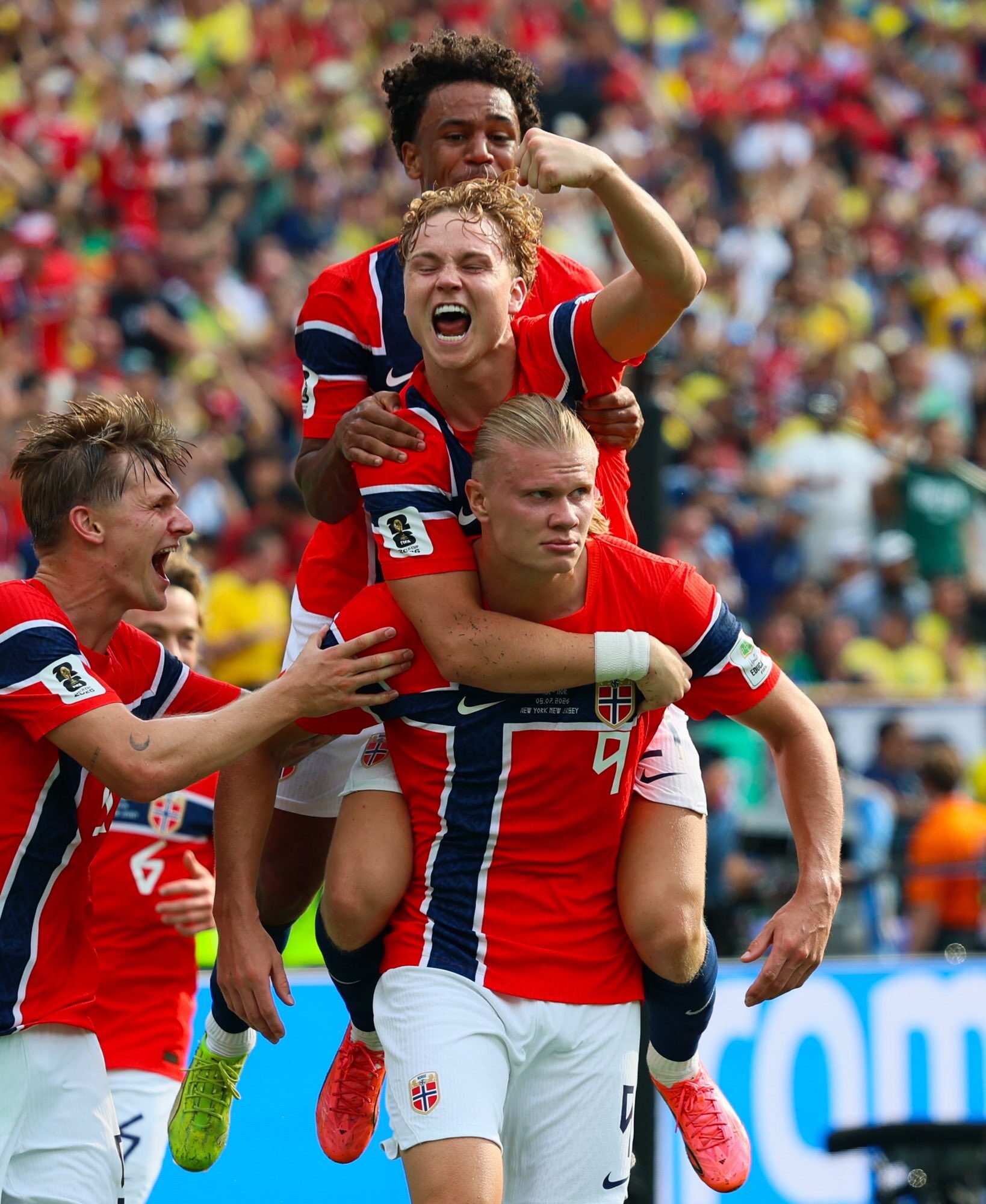
And the once-mighty Brazil looked like a hasty agglomeration of talented individuals imperfectly forged together by a compelling history but little tactical imagination. Norway outplayed them thoroughly. Brazil created moments: some hope-inducing, some unsatisfactory, some poignant. But they were just not incisive enough.
Without taking anything away from the heroic performance of the Norwegian goalkeeper Nyland who among other things saved a penalty, it will be flattering to call the Brazilian attack effective, despite the creative and somewhat tragic presence of one Vinicius Junior.
But the failure of Brazil, or Neymar’s swan-song consolation spot-kick that preceded his international retirement does not alone make the game fit for historical attention in future. Brazil, quite uncharacteristically, had come to this tournament with quite moderate expectations. While Brazil felt encumbered by dreams, Norway seemed to relish at realising them. And that is what makes this match so memorable.
That, and of course Haaland. He scored two goals. Both with the ease and command of a man who can score goals almost on demand. Haaland has been a phenomenon in football for a long time. This game against Brazil will be endlessly commented on when we will start talking about Haaland as a phenomenon beyond football.
The next game was an instant classic. It was getting weaved into the canon as it was being played. The commentary and the studio-shows try to do that for a lot of games. And for very few does it seem rightful. This was one of them.
Estadio Azteca was already a stage grand enough. England has a colourful history there. And for Mexico, it is a modern-day equivalent of a hyper-fortified hillock, sombre and potentially threatening but also gloriously alive. Mexico was making most of it and were looking more menacing up until the moment when Jude Bellingham decided to grab the game by the scruff of the neck.
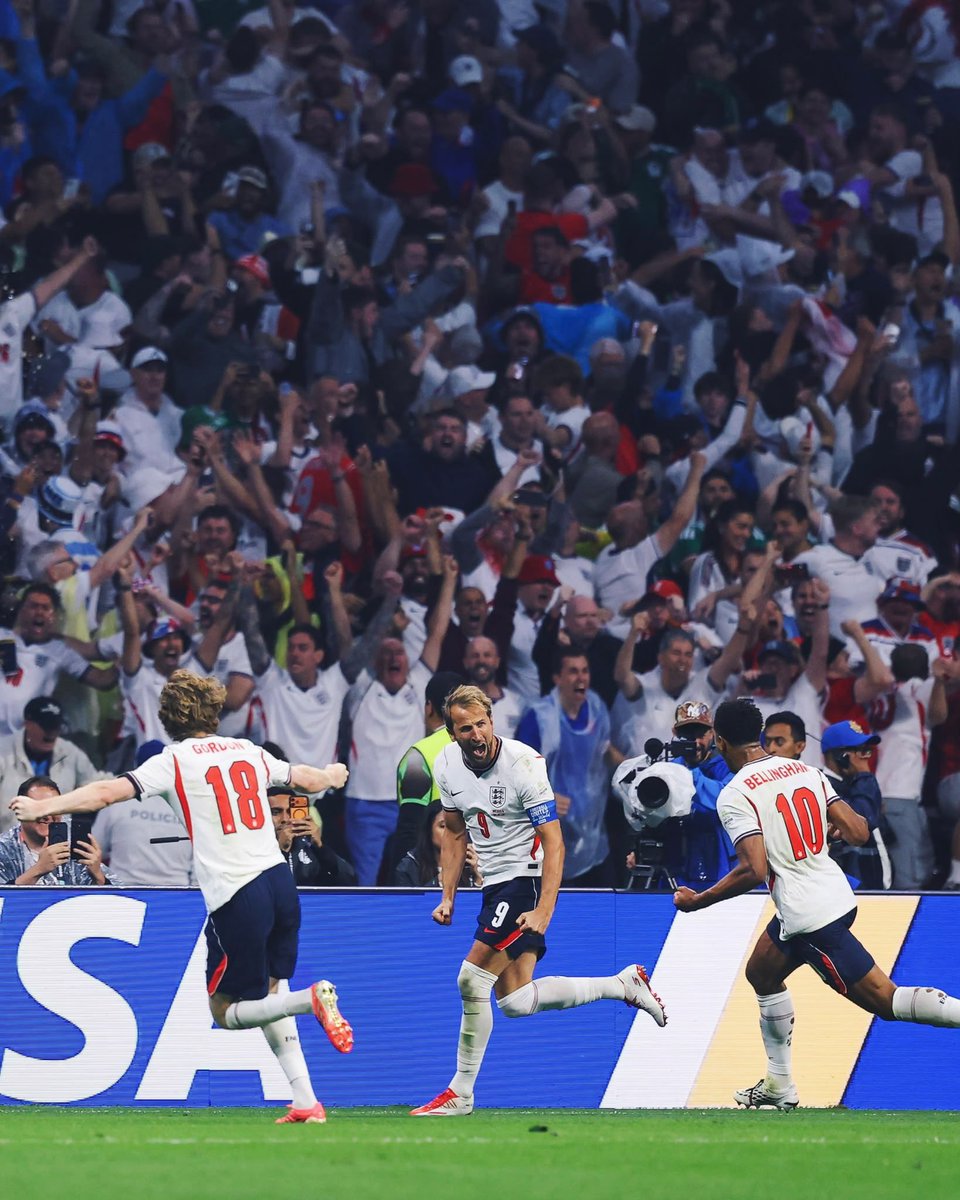
To use a word that has become cliched beyond comprehension, England’s attack is ‘clutch’. And England’s defence looks like a unit that has learnt the lessons from the last premier league season very mindfully. Defending with ten players in such a cauldron of detractive noise shows their grit and justifies their favourite-tag.
The players showed a willingness to embrace defensive duties whole-heartedly. Jordan Pickford was wonderful at stopping shots and valiantly flying at crosses. Mexico, on the other hand, seemed to have run out of ideas when the only imperative was to attack. The last twenty minutes felt like a blur of Alvarado time and again running down the wing only to see the attack nipped in the bud.
The elusive third goal never came for Mexico. The neutrals kept waiting for a more visceral version of the deafening roar that accompanied the first Mexican goal. It did not come. England are not only just a capable side in the tournament, it is now also a tested one.
The game that followed was much less dramatic. But its place in the history is secured because of its status as the final world cup game of one of the biggest names in the sport. It was a cagey, turgid affair which for long stretches felt like a top of the table clash in a top European league where the trepidations regarding being caught at the back gnawed away at the desire to attack.
Both Spain and Portugal created little. What seemed like a pre-mature staging of a game between two contenders was a very difficult watch. The goal that decided it was masterfully created and expertly finished. But Spain made it look straightforward. When a goal is that difficult to come by and yet is seemingly that simple, it feels awkward in a way.
Cristiano Ronaldo, whose history of sexual abuse had once closed the gates of USA to him, had returned to the country first as a invitee to Trump’s White House and then as the captain of one of the most talented Portugal squad in history.
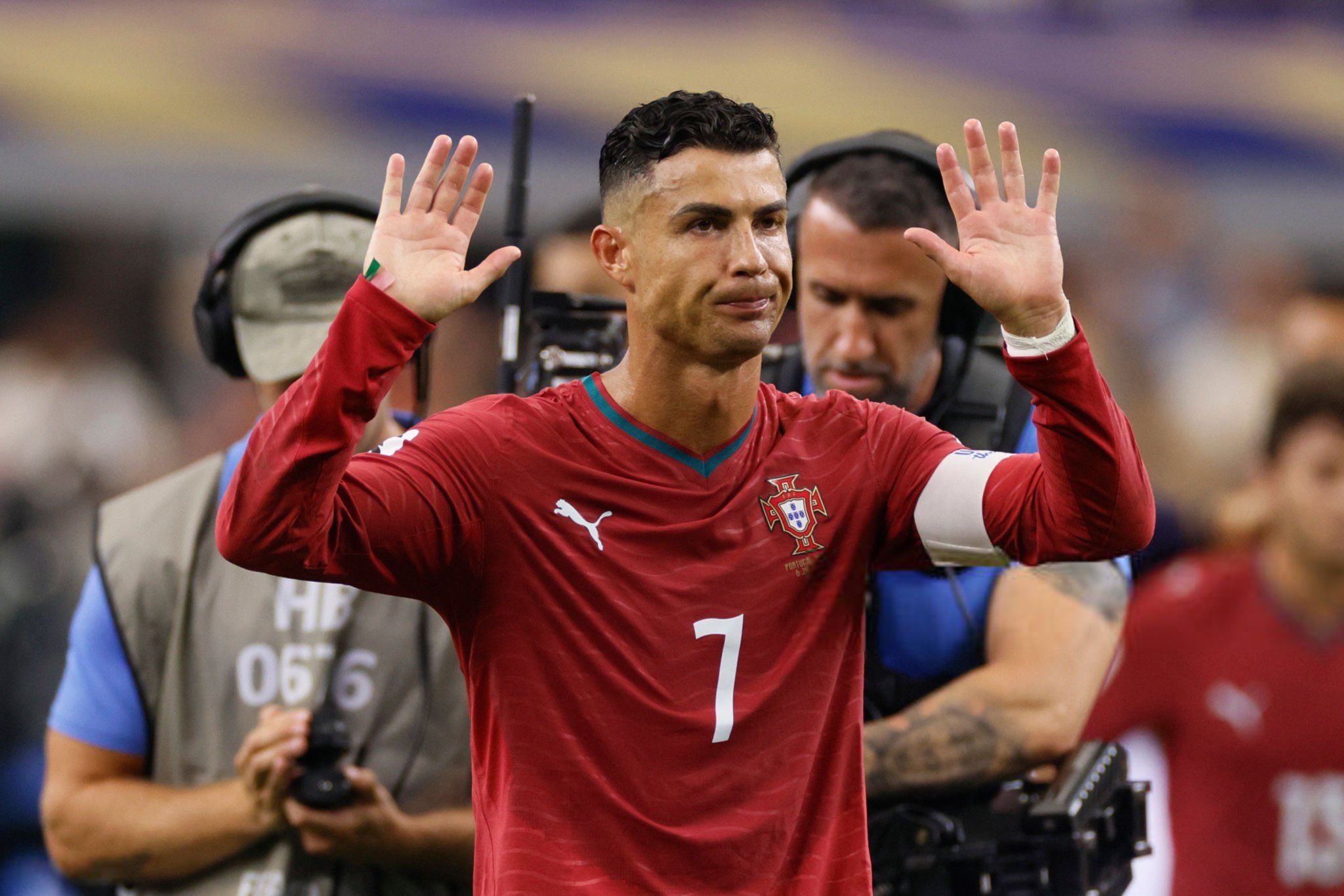
He scored thrice in the tournament, and there were times when his selection did not seem totally unjust. But for the most part he was little more than a gesticulating by-stander hell-bent on tarnishing the image of the unstoppable goal-scorer he had cultivated for so long and so brilliantly. His world cup farewell came long after even many of his admirers felt he had overstayed.
None of these three games ended in a margin of victory of more than one goal. But the next game, between haughty co-hosts USA and a Belgium team who have qualified by the skin of their teeth, did.
Belgium had defeated, after being outplayed by, a Senegal team quite loved by the neutrals. Belgium’s plight at the last world cup was the source of much schadenfreude. This time time the neutrals stood staunchly behind Belgium. It is quite uncommon for the neutrals to support an established European nation against a non-European side aiming to reach heights they have never scaled. But in this specific case, such a feeling was unanimous.
That a Donald Trump call to Infantino had been behind the cancellation of the one-game suspension that US forward Folarin Balogun should have served, was not only a case of corruption in broad daylight but it also made a mockery of the self-righteous seriousness of the world cups.
What’s more, FIFA had recently done something similar to this, for Cristiano Ronaldo, who should have served his suspension in the opening game of Portugal’s world cup campaign. That was overturned because of basic greed for higher advertisement revenue. This ban was overturned because FIFA Peace prize recipient and Infantino’s dear friend Trump felt that the referee’s call was harsh. Then again, Trump is not really known for his commitment to law.
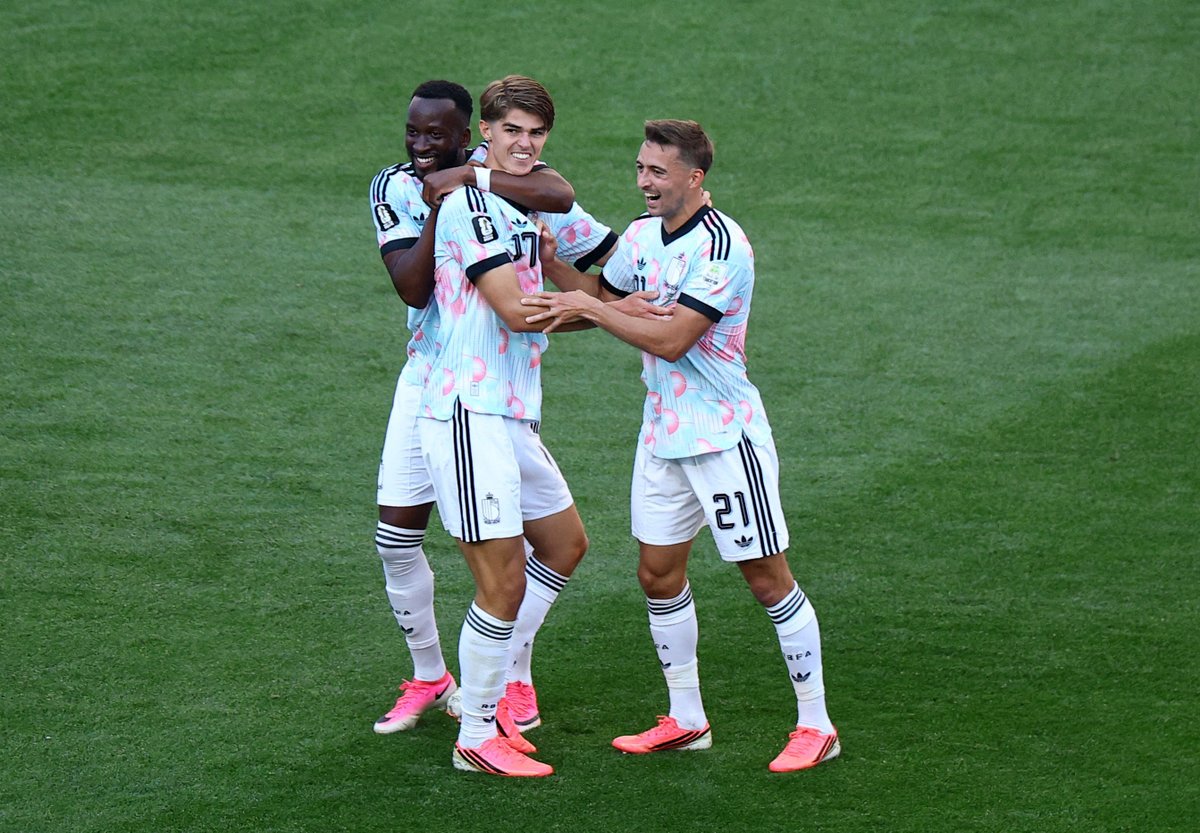
To the elation of non-USA fans, Balogun did not score despite playing for almost the entirety of the match. Belgium turned up with a clinical brand of football. Their attack shows signs of growing into the tournament. Lukaku, with three goals in his last three world cup games, seems to enjoy his role as a substitute.
The host sides, since the early days, have enjoyed certain privileges, some more benign than the rest, in many of the world cups. But this has been one of the most petty and disrespectful instances. And the fact that the whole dirty business was revealed by a boastful Trump, only makes it worse.
USMNT’s defeat was probably the better result for USA in the long run. If they had defeated Belgium, then the rescinded red card would have become one of the first things people remember about the tournament. USMNT roundly losing to Belgium will only help make this scandal a little less memorable.
FIFA had done such a thing during a world cup before. Garrincha’s appearance in the 1962 world cup final, will forever be tainted for a similar reason. FIFA’s moral weakness to let the greatest player of the tournament play is reprehensible but atleast Garrincha, the joy of the people, could unite people, as is exemplified by both Chilean and Pervian Premiers actively lobbying FIFA to let him play. Letting Trump, who is everything but joy and everything but of the people, get away with his wish, FIFA has exposed its own utter vulnerablity to the whims of a xenophobic sex offender and further proved how little the touchy and self-styled guardians of football cares for sporting integrity.
Discover more from Footy Times
Subscribe to get the latest posts sent to your email.