

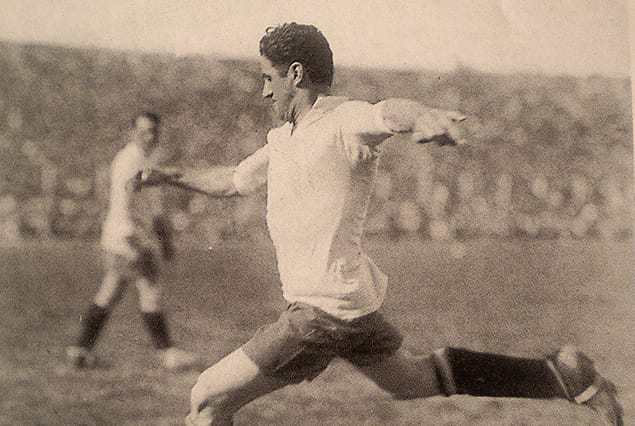

The first ever World Cup staged in Montevideo, Uruguay, feels today like a dreamt-up patchwork of events and/or myths ranging from ridiculous to profound. A tournament held 95 years ago was almost nothing like the behemoth World Cup has become today. But retrospectively at least, the 1930 FIFA World Cup has been accorded a special status because it marks a paradigmatic re-imagination of a sport that never passes away any chance to celebrate its apparent globality.
In this series, which will run through all twenty-two fifa.com/tournaments/mens/worldcup” target=”_blank” rel=”noopener noreferrer”>FIFA World Cup tournaments, we will try to tell the story of a player who had an important role to play in the tournament but hardly features among the first few names that jump out once you hear the tournament being mentioned. Today, in the first iteration of the series, we will look at Uruguay’s Pedro Cea.
The 1930 Uruguayan side was a star-studded one. The likes of Nasazzi, Andrade and Scarone have duly kept their marks in the history of the game. Some equally important figures like Lorenzo Fernandez and Pedro Cea are a little less talked about.
Cea was an ever-present in the all-conquering Uruguay side and won two South American Championships (what we now know as Copa America) in 1924 and 1926, Olympic Gold medals in 1924 and 1928 and a FIFA World Cup in 1930. While there were a number of players who had been in the winning squad for all three of the 1924 and 1928 Olympics and the 1930 World Cup, Cea was the only player who started every match Uruguay played in those three tournaments. He would also manage his country in a victorious 1942 South American Championship.
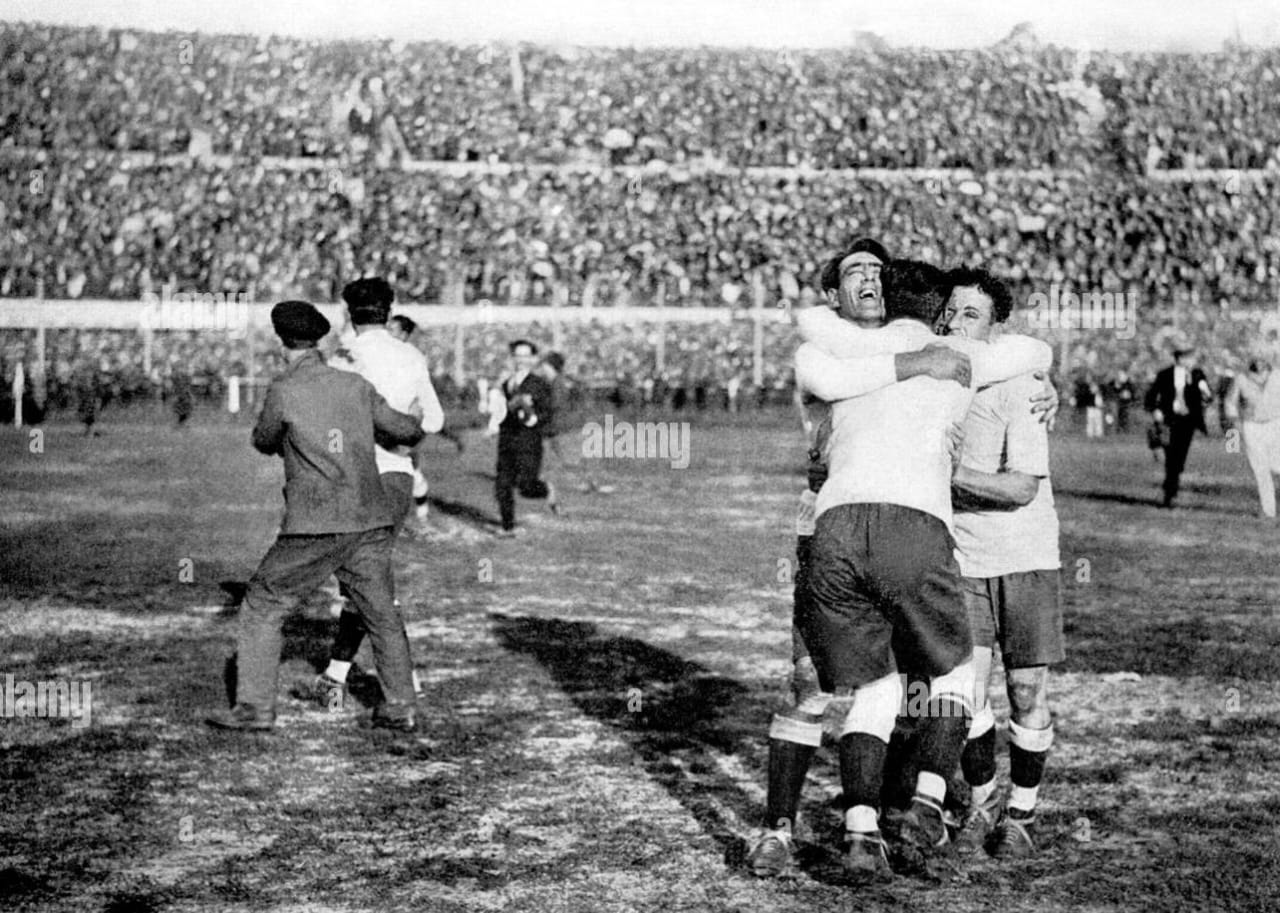
Cea, who played as an inside forward, was a natural dribbler. As a child, he would carry bags full of ice. It is tempting to assume that his capacity to keep it cool under pressure, one that bailed out his team very many times, had something to do with his boyhood profession. He started his football journey at local club Lito, later transferring to Bella Vista and finally to Nacional. He was quite prolific for both club and country.
In the 1930 World Cup, the hosts were drawn into a three-team group including Peru and Romania. There was an understandable optimism around Uruguay’s chances, but the beginning was hardly convincing. Uruguay were clearly unable to play their fluid attacking game against a disruptive Peru side that did everything to frustrate the hosts. But finally, when Uruguay found the breakthrough well into the second half, it was Cea who combined with his neighbour and childhood friend Hector Castro (who famously lost his right arm when he was eleven) for the latter’s successful strike. Uruguay had beaten Peru 1-0, but it was far from reassuring.
The next game against Romania saw Uruguay perform in a characteristic commanding fashion. With a dazzling attack firing on all cylinders, they scored four times, all within the first half. After goals from Dorado, Scarone and Anselmo, Cea put the icing on the cake in the 35th minute with his first FIFA World Cup goal.
In a thirteen-team tournament, four group toppers qualified for the semifinal round, with Uruguay being drawn against a strong Yugoslavia side that opened the scoring against Uruguay. Having conceded their first goal in the World Cups, the hosts were clearly jittery. Uruguay could have conceded more in that opening quarter, but they were saved by some very questionable refereeing decisions going their way.

Cea was often dubbed by the media as the “Olympic equaliser” because of his ability to draw his side back level in big matches when Uruguay went behind. In the 1924 Olympics, the Netherlands were leading against Uruguay in the semifinal, but Cea equalised before the latter won the match 2-1. In the next Olympic football tournament as well, it was Cea’s equaliser that helped Uruguay overcome Italy by a 3-1 margin.
Two years on, Cea did it in a high-stakes semifinal match yet again. His 18th-minute strike was followed by two goals from Anselmo, and the first half ended with the hosts leading 3-1. In the second half, where Uruguay’s primacy was at full display, Iriarte found the net around the one-hour mark, followed by two more goals by an unstoppable Cea, making him the first-ever footballer to have a hat-trick in a World Cup knock-out match. Yugoslavia probably had reasons to be disappointed with the refereeing, but Uruguay were rightful claimants of a berth in the final.
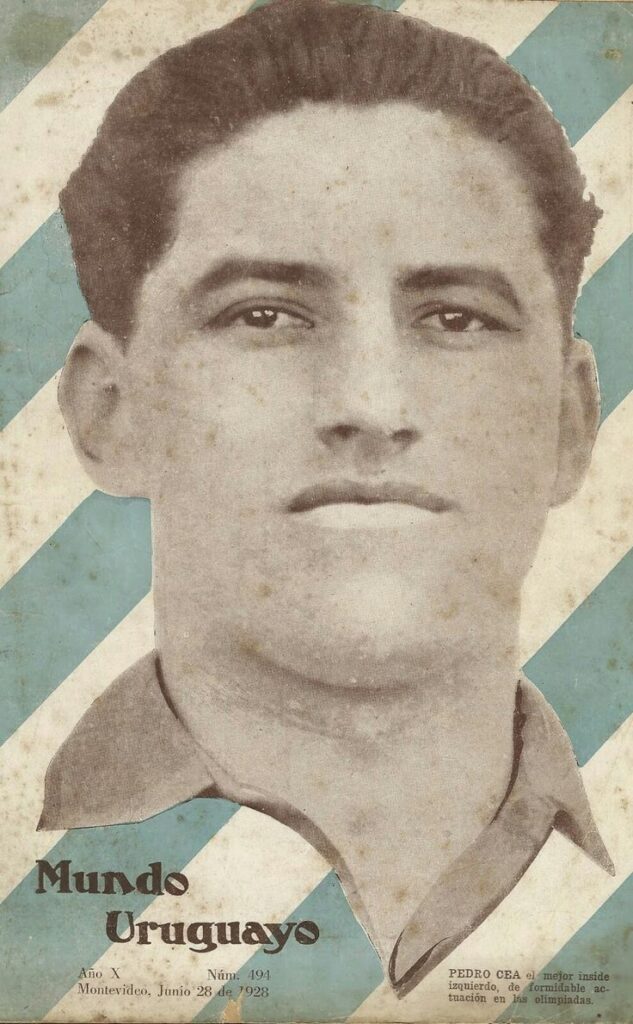
The final was between the teams sharing the greatest international rivalry of the era. These neighbouring countries had already contested in a fiercely close finale to claim the gold medals in the 1928 Olympics. On that occasion, Uruguay edged past Argentina after a replay. One’s elation was another’s calamity, and hence the first World Cup final was a grudge match with football representing a principal pillar of self-identity on either side of the Rio de la Plata.
Both the finalists brought their own footballs for the big occasion, resulting, unsurprisingly, in a dispute. The referee decided that each of the two halves would be played out with a ball brought by either side respectively. Uruguay had started the match brightly, with Castro’s pass finding Dorado inside the box in an attack that saw Scarone and Castro playing some incisive one-two. Dorado converted to hand hosts the lead. Finding themselves 1-0 down, Argentina responded fast. Peucelle levelled the score before the indomitable Stabile, the top-scorer in the tournament, put the visitors ahead. While Uruguay faded after the opening goal, Argentina dominated most of the first half. The half-time break saw some intense deliberations in the Uruguayan dressing room, as Lorenzo Fernandez announced his intention to kill his teammates if they lost, and Nasazzi, the captain, seconded the suggestion, adding that he would supervise the administration of their last rites.
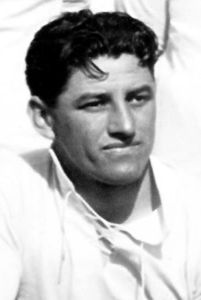
Whether it was because of such wholesome team-talk, or because of the Uruguayan football being used in the second half, or because of a tactical shift that saw Andrade anchoring his side from a deeper position as the midfield tightened up to deny Argentine playmakers room, or because of a scrap of paper that reached Monti, the engine of the Argentina side, at half-time with a warning that winning the match would mean death for Monti’s family members, Uruguay gradually wrested back some control after the break. Both sides had their chances, but with the home crowd baying, it was Pedro Cea, that man with the penchant for equalising goals, who made it 2-2, expertly sliding to meet a pass from Scarone inside the box. Iriarte scored within ten minutes to put Uruguay in front. Hector Castro added a fourth with a header late on. Uruguay won the inaugural World Cup. A national holiday was declared the next day in Uruguay, while in Argentina, the Uruguayan consulate was attacked by a stone-pelting mob. Pedro Cea finished the tournament as the second-highest goal-scorer with five goals.
Cea had effectively retired from international duties before the 1930 World Cup, only to be called up for what apparently was going to be his swansong after a successful international career. Cea turned his swansong into his crowning glory. The trust of the selectors was repaid as ever. Cea, the man to whom Uruguay turned when they were trailing in a must-win match, had always commanded immense trust from the selectors, fans and teammates alike. Nasazzi, his long-time leader, had once famously remarked that if he and Cea were playing a match together, Uruguay would certainly win irrespective of who the other nine players were.
Discover more from Footy Times
Subscribe to get the latest posts sent to your email.