

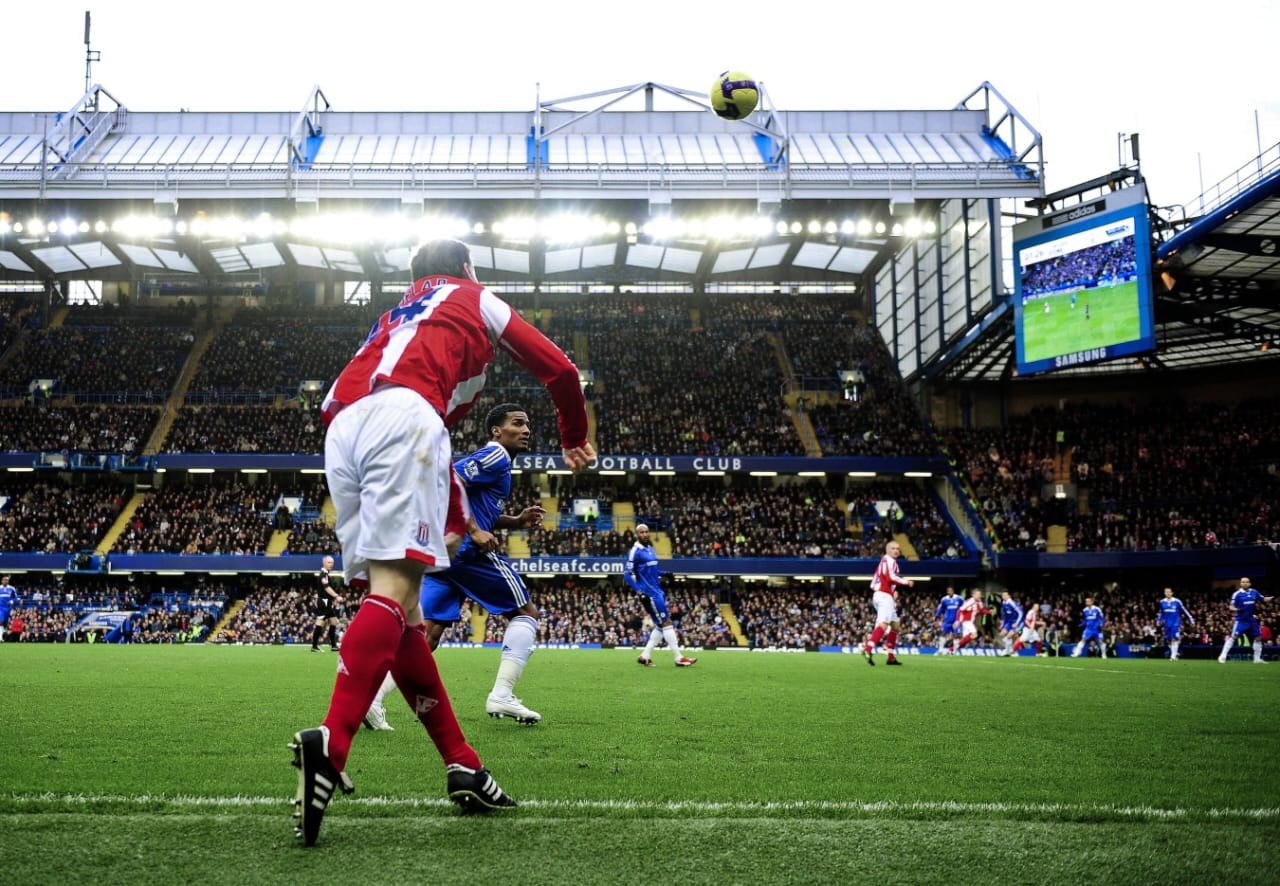

When Chelsea met Leeds United in the final of the FA Cup in 1970, it produced one of the most exhilarating contests for what was then the most prestigious prize in English football. It was, in many ways, a clash of styles, the flashy and attack-minded Londoners facing off against the pragmatic and hard-nosed Northerners. In those days before penalty shootouts, a final that ended 2-2 after extra time had to go to a replay.
Both matches, though marked by fouls deemed violent even by the standards of the day, were engrossing, end-to-end affairs. With the scores at 1-1, Revie’s Leeds were dealt a fatal blow by a David Webb goal near the end of the first half of extra time. The tie had seen a number of memorable goals, but while most were notable for their technical brilliance, the decisive one remains fascinatingly alive because of the rare thrill born from the unpredictability of a long throw hurled deep into the opposition penalty box.
Throw-ins are one of football’s beautiful ambiguities, a crucial part of the game that curiously stands at odds with its very name. The rules governing throw-ins have remained largely unchanged since they were codified in the first law book of football. They are, in a sense, an ageless reminder of an older form of the game, played in mid-nineteenth-century boarding schools, long before football and rugby split over the question of whether throwing should be permitted. Throw-ins, therefore, are an archaic compromise.
While most are routine affairs, the long throw, relatively rare in the modern game, excites fans because its looping trajectory always keeps you guessing. Its association, in recent decades, with desperate, time-running-out moments adds to its sense of giddy anticipation. At the highest level now, where teams play to maximise control, the long throw has been reimagined. In a world where every variable is measured and optimised, it is no longer a last-ditch disruptor; it is a calculated weapon designed to control space more effectively.
Perfecting the art of the long throw is no modern invention. Nearly a century ago, the revered Bill Shankly, then a player at Preston North End, used to practise throwing balls over rows of houses and asked locals to retrieve them for him. In the late 1980s and 90s, Wimbledon’s “Crazy Gang” used the long throw to devastating effect, while sides like Bolton and Stoke City later turned it into an equaliser against richer opponents. Though tactical evolution and an obsession with possession made long throws rarer for a while, they are now making a strong comeback as managers rediscover the value of rapid territorial gain.
Ironically, this return echoes what Charles Reep, a Wing Commander in the Royal Air Force, argued more than seven decades ago in one of football’s earliest statistical analyses. Reep believed in the long-ball game and claimed that the fewer passes a team made, the faster it reached dangerous attacking positions. While modern football has long prioritised control through short passing, the recent revival of territorial, high-tempo strategies has once again validated the long throw.
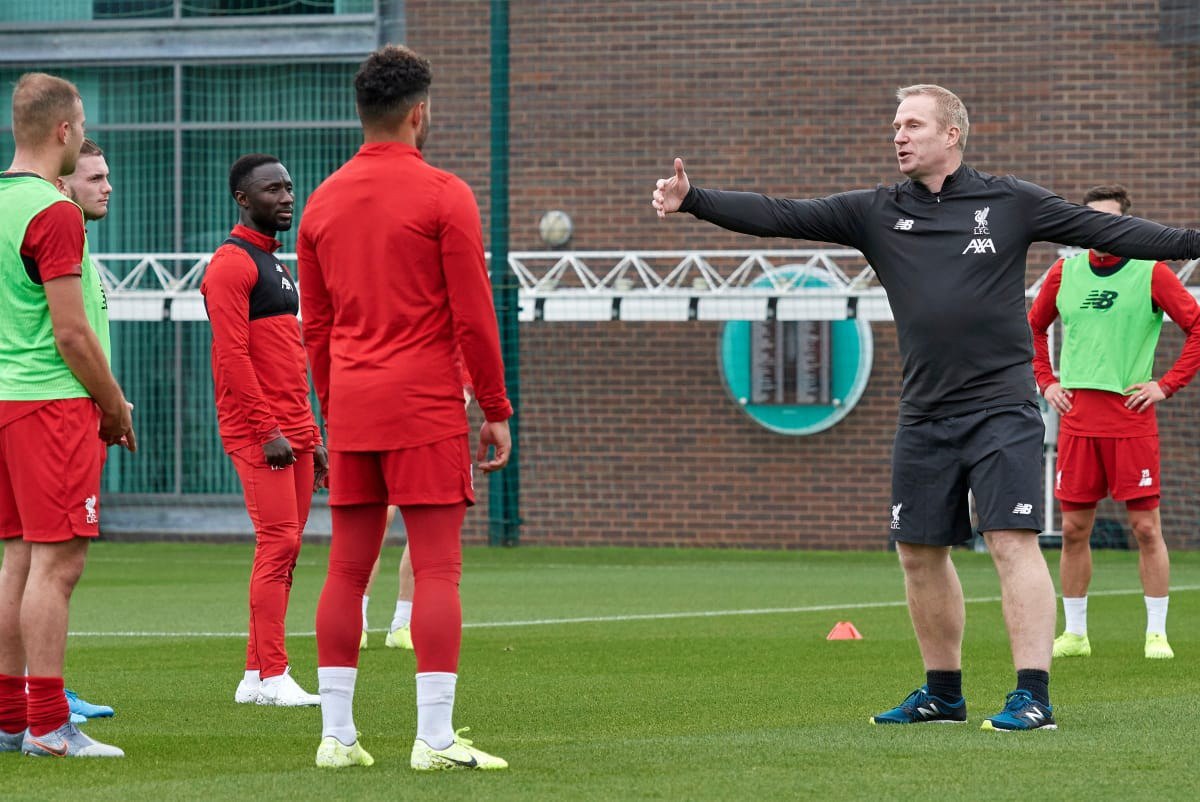
Liverpool even appointed Thomas Grønnemark in 2018 as a dedicated “throw-in coach”. A former Danish Superliga player turned innovator, Grønnemark became obsessed with the neglected art after failing to find any serious writing on it, eventually creating his own course. Under his guidance, Liverpool’s Andy Robertson reportedly increased his throw range by up to eight metres. Today, throw-ins are meticulously planned and rehearsed, with many elite sides treating them as set-piece opportunities.
This evolution both elates and saddens me. Frequent long throws are undeniably entertaining, but they also reveal how deeply the process of quantification has permeated every corner of the game. What was once a spontaneous act of chaos, a desperate heave by a full-back when all else failed, is now a data-backed tactical decision. The long throw may be back, but some of its old, untamed magic seems forever lost.
Discover more from Footy Times
Subscribe to get the latest posts sent to your email.