

Unsung Heroes in World Cups: Martin Peters | 1966 England
Very Simple Game #20

The 1966 FIFA World Cup was held in England, the birthplace of modern football. The Beatles were preparing for the release of Revolver, the Vietnam War was ongoing, and Martin Luther King was leading rallies in Chicago. England were a well-prepared host, and it was a memorable tournament, but it would be a stretch to call the football entertaining. Pele’s campaign was once again plagued by injuries sustained through rough tackling, leading to the reigning champions being knocked out in the group stages. The debutants, Portugal and North Korea, shocked everyone by reaching the final four and the quarter-finals, respectively, and provided the viewers with arguably the best match in the tournament as they clashed in the quarter-finals. The format of the tournament stayed the same as the last one.
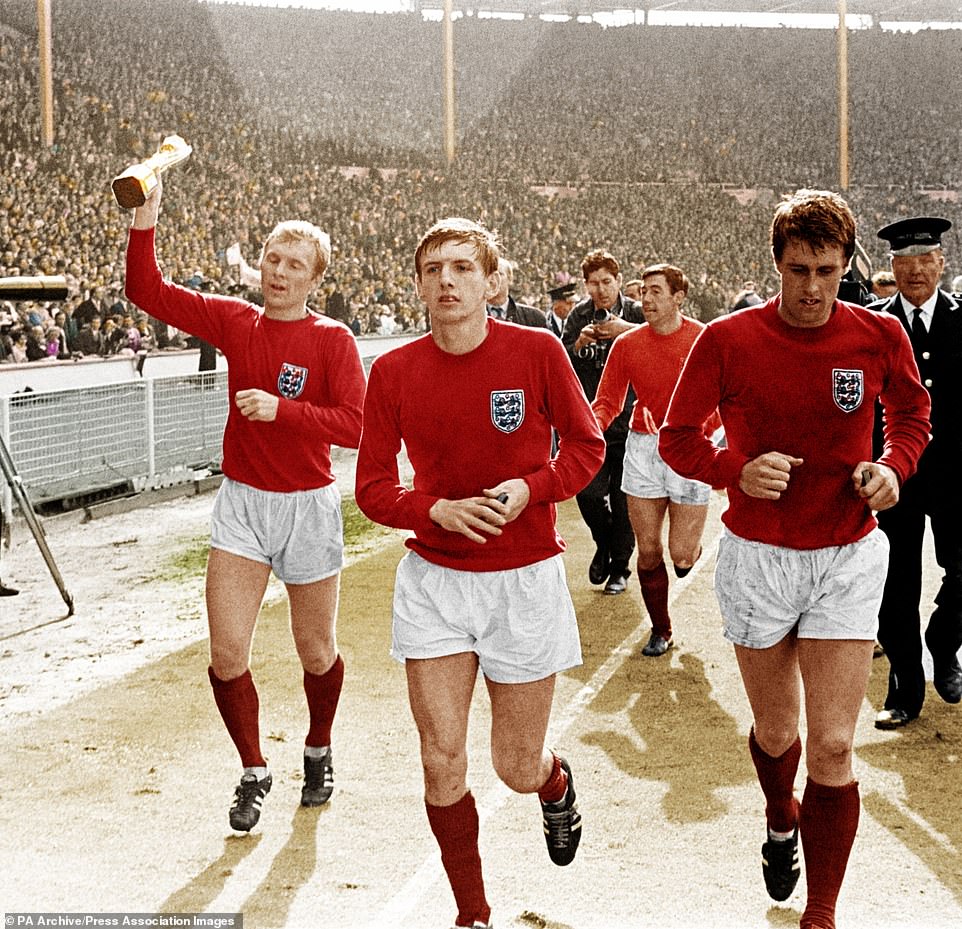
The 1966 FIFA World Cup is defined by Eusebio’s heroics. While players like Moore, Charlton, Hurst and Beckenbauer are mentioned fondly in most conversations about the tournament. However, one of England’s most dependable footballers, an eminently versatile and tireless player, Martin Peters, is sometimes overlooked. One of West Ham’s greatest ever footballers, Peters was one of the youngest players in the England side that went on to win the 1966 World Cup under Alf Ramsey.
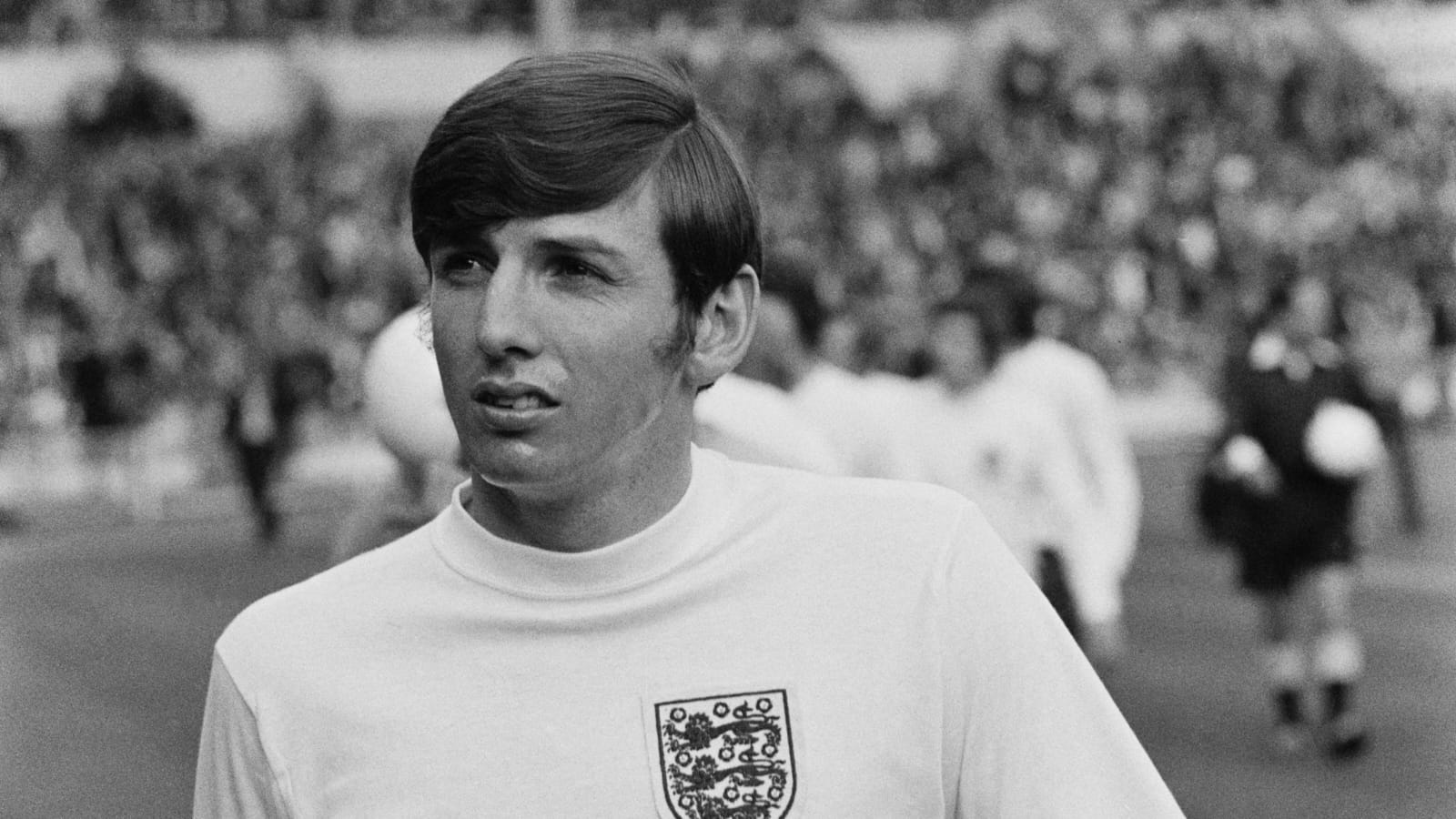
In this series, which will run through all twenty-two FIFA World Cup tournaments, we will try to tell the story of a player who had an important role to play in the tournament but hardly features among the first few names that jump out once you hear the tournament being mentioned. Today, in the eighth iteration of the series, we will look at England’s Martin Peters.
In his schoolboy days, Martin Peters started out as a centre-back, even though he was occasionally also deployed at full-back positions. When he was breaking into the senior team of West Ham, he was considered as an option on the Right side of the midfield. In his very third appearance, which he started at left-back, he had to take over goalkeeping duties after the West Ham keeper suffered an injury mid-game. He turned in a memorably confident performance when he was still a teenager. He was mostly deployed on the left side of the midfield during England’s victorious World Cup run and frequently had to fulfil duties that would be asked of Left-wingers. He was also a very capable goal-scorer. Notoriously difficult to mark, he would earn the sobriquet “the ghost” for his penchant for appearing unnoticed in the right place at the right time. He was also a good cricketer, who would unsurprisingly turn out to be a decent all-rounder.
Despite establishing himself at the heart of a successful and attack-minded West Ham side, Peters’ place in the World Cup squad was far from certain. He and his West Ham teammate, Geoff Hurst, were planning a joint family holiday and were looking for accommodations with television sets to see the World Cup together.
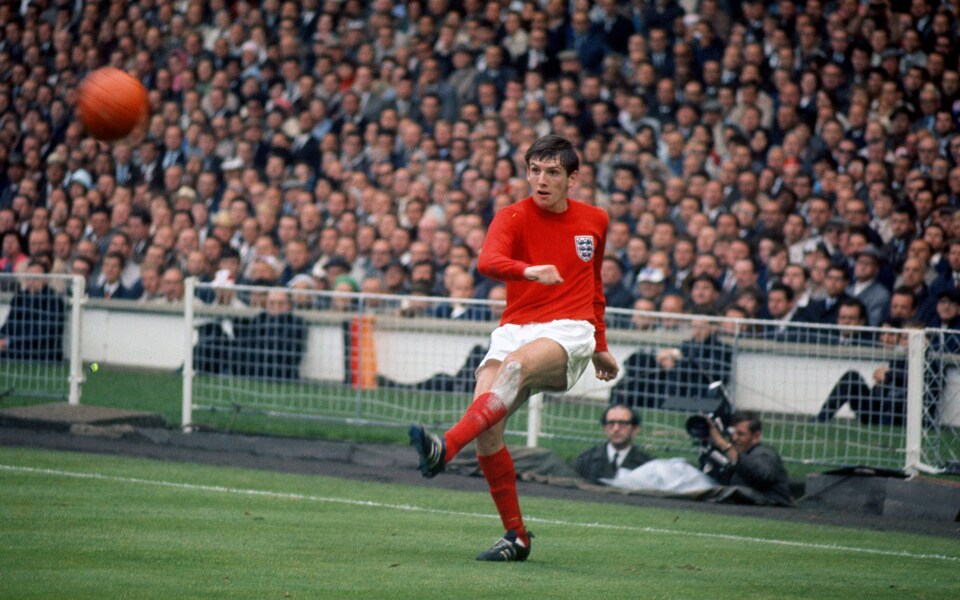
Peters only got his first senior cap for England in May 1966 and was subsequently picked for the squad by Ramsey, who correctly evaluated the strengths of Peters that would make him one of the principal architects of England’s “wing-less” playing style. Peters would not start the first game of the tournament. It was the only game in the tournament that England didn’t win, as they played out a goalless draw against Uruguay. He was called up for the second game and thereon became a mainstay. Peters’s commendable World Cup debut, at the left side of the midfield, saw England dispatch Mexico by a 2-0 scoreline. In the next match, he played as a left-wing forward, complementing the great Jimmy Greaves at right, as England defeated France by the same scoreline.
In the volatile quarter-final match marked by controversies surrounding the Argentine captain Rattin’s dismissal, it was a Martin Peters (back to playing at the left of midfield) cross that Geoff Hurst expertly turned in with a header to score the only goal of the game, sending England through to an all-European semifinal round. The Portuguese were defeated in the semis with two Bobby Charlton goals. As the tournament progressed, Ramsey had settled on his narrow system that swapped out the traditional wingers for versatile and box-to-box players in the mould of midfielders. Peters’s abilities to provide defensive solidity and attacking threat, along with his keen tactical and positional awareness, had made him an indispensable cog in England’s wheel.
The final against West Germany in a packed Wembley began rather ominously as England, who had not conceded an open-play goal in the tournament (the only goal England had conceded came via an Eusebio penalty in the 82nd minute of the semifinal match in which England had already been leading 2-0), went behind for the first time in the world cup through a Helmut Haller goal. Geoff Hurst headed in a Bobby Moore free-kick in the 18th minute to put England level.
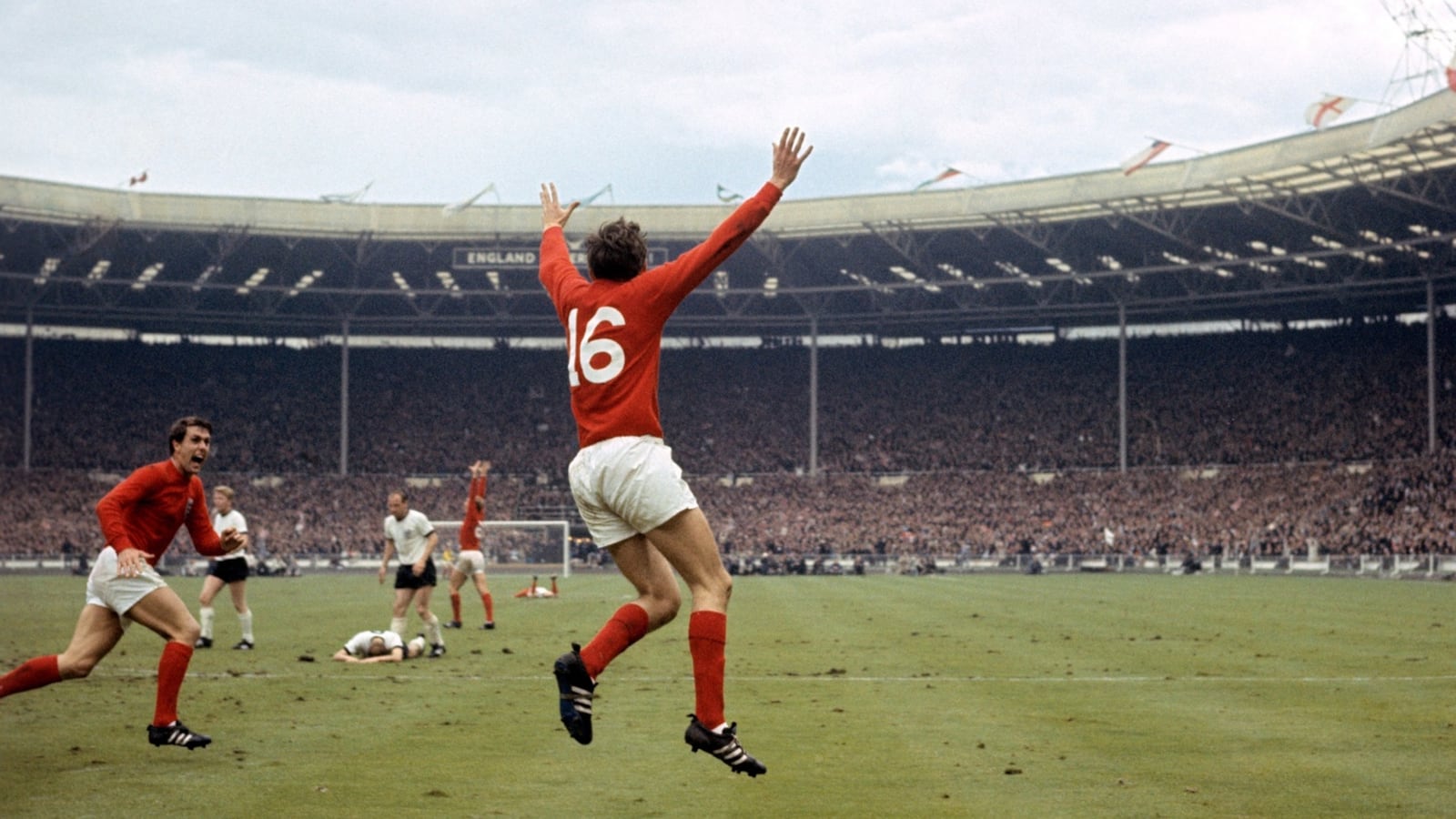
The scores remained tied up until the 78th minute, when a tame shot by Geoff Hurst was only half-cleared and Martin Peters, characteristically cropping up unmarked in a dangerous area, made no mistakes in burying the ball into the West German goal from about eight yards out. Martin Peters had put England ahead in the final, and Ramsey’s prophecy about England being victorious at the home World Cup looked to be coming true. While the Germans equalised just before the end of the stipulated time, England did not lose faith and went on to win with two further Hurst finishes, one of which remains eternally debated, in the extra time. Hurst scored the first-ever World Cup final hat-trick, and the man with whom he had planned his summer holidays had scored the other goal.
Remembered as a modest man and a gentle professional, the blend of tact and hard work in Peters’s midfield play had led his national team manager to remark that Martin Peters was a player ten years ahead of his time.
Discover more from Footy Times
Subscribe to get the latest posts sent to your email.