
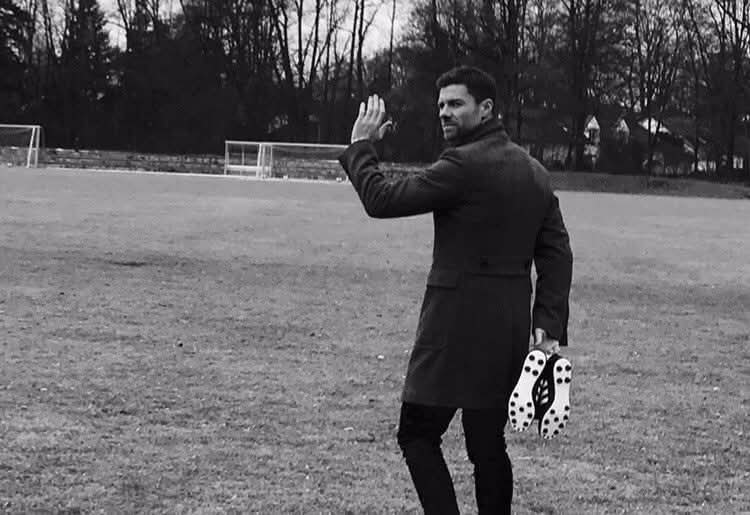
Sacked to Save the Stars, Why Xabi Alonso Never Stood a Chance at Real Madrid
Critics of Alonso will point to his tactical rigidity or occasional missteps, and it’s true that elite managers must win big games to silence doubters. But the underlying issues at Real Madrid are not solely tactical. They are cultural and organisational.

Real Madrid’s sacking of Xabi Alonso following the Supercopa de España loss to Barcelona exposes deeper cracks within the club. Where a dressing room packed with superstar egos seems to carry more weight than managerial authority, and where the board once again chose players over long-term sporting vision.
In a club statement, Real Madrid framed the decision as mutual agreement. Also thanked Alonso for his work, stressing his status as a club legend and asserting that “Real Madrid will always be his home.” But sources close to the situation and the rapidity of the move leave little doubt. This was a dismissal, not an amicable parting of ways.
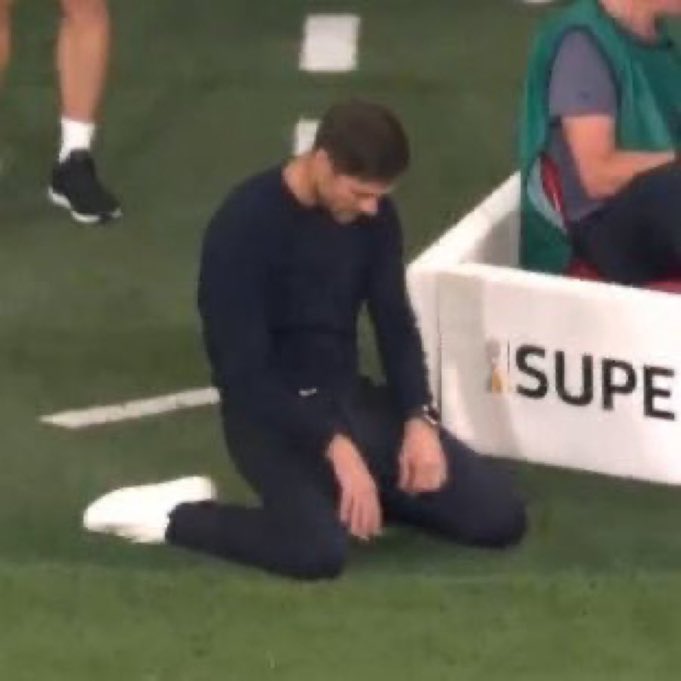
Egos in the Dressing Room And What the Board Did (or Didn’t Do)
More troubling than tactical debates is the narrative emerging from inside the club. Alonso’s authority was often undermined by key players, and Real Madrid’s management looked on rather than intervene decisively.
Social-media reactions and anonymous accounts paint a vivid, if heated, picture of a coach who struggled to command obedience from his squad. Fans online highlighted moments where star players appeared to flout his wishes. Such as public disagreements over substitutions and post-game routines. While these accounts should be taken with caution, they reflect a widespread perception that dressing-room unity was fractured.
One particularly striking allegation denied by the club but widely shared by supporters was that Kylian Mbappé overruled Alonso’s instruction for a post-match gesture of respect. Drawing attention to how player influence can eclipse managerial authority. Whether literal truth or exaggeration, the symbolism is potent. A squad of global superstars with outsized influence, and a manager left to manage egos rather than shape a collective identity.
Before leaving the club on a mutual agreement, appearing in his last meeting with the board members, he warns them,
You CAN’T give the players this much power. It’s IMPOSSIBLE for a coach to rule in a dressing room if the club is always taking the players’ side, reported La SER.
What compounds the issue is how Real’s board reacted. Instead of publicly and unequivocally backing Alonso, especially after just six losses in a season, the club moved swiftly to remove him, promoting Álvaro Arbeloa, a former academy coach and club loyalist, to take charge immediately.
This kind of rapid managerial U-turn after a one-off defeat, so early in a project, suggests an institutional nervousness and a willingness to prioritise short-term comfort over a long-term vision. That has been a recurring theme at Real in recent years. Impatience, reactive decision-making, and a tolerance for player clout that ultimately undermines the very managers tasked with leading the club.
A Structural Problem, Not an “Xabi Alonso Problem”
Critics of Alonso will point to his tactical rigidity or occasional missteps, and it’s true that elite managers must win big games to silence doubters. But the underlying issues at Real Madrid are not solely tactical. They are cultural and organisational.
A club that has historically been defined by its relentless pursuit of success now seems hostage to its own glamour. A superstar sector that often feels more powerful than the coach, and a leadership that hesitates to assert a clear hierarchy. This approach sacrifices managerial authority for the sake of squad harmony. Only to create a different kind of discord, one that eats away at credibility and coherence.
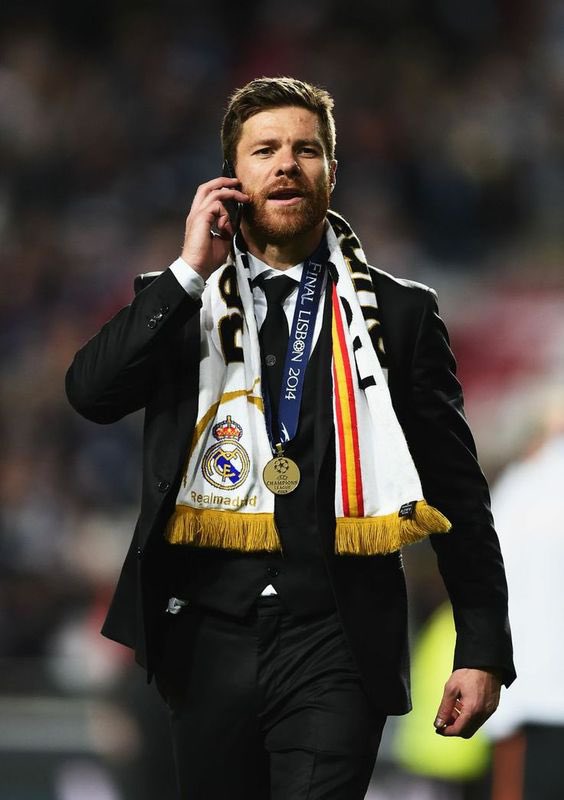
Xabi Alonso’s exit should not be viewed as an isolated coaching casualty. It is a symptom of a deeper malaise. A big-name manager offered a big opportunity, only to be abandoned because the club feared rocking the boat with its prized assets. If Real Madrid truly wants to win consistently at the highest level, they will have to decide whether their managerial appointments are more than temporary figureheads. While backing a vision means accepting short-term discomfort for long-term gain.
A Short Tenure with Promising Numbers, But Question Marks Too
Statistically, Alonso’s record was anything but disastrous. In 34 games, he won 24, drew 4, and lost just 6, a win rate above 70%. One of the best at Real Madrid in recent memory. He arrived from a sensational spell at Bayer Leverkusen, where he won the Bundesliga unbeaten and lifted the German Cup. Expectations were high that he could bring structure and identity to a team that after Carlo Ancelotti’s long reign lacked clear direction.
Yet results tell only part of the story. While Real Madrid sat second in LaLiga, just four points behind Barcelona, and progressed in the Champions League, criticisms mounted over inconsistency and a lack of a trophy. Losses to the likes of Paris Saint-Germain, Atlético Madrid and Liverpool underscored tactical frailties and raised questions about game management.
But any honest analysis must acknowledge that Alonso was never fully empowered to build the squad he wanted. Multiple reports suggest Real failed to back his transfer vision last summer. Most notably by not signing his preferred midfield target to replace ageing greats Kroos and Modric. Leaving a structural gap in the spine of the team that Alonso believed was essential.
Discover more from
Subscribe to get the latest posts sent to your email.