

World Cup: Quarter-finals of symmetry and predictability
Glich-hiking at the FIFA World Cup 2026 #17

All four quarterfinal match-ups of the 2026 fifa.com/tournaments/mens/worldcup” target=”_blank” rel=”noopener noreferrer”>FIFA World Cup had more or less clear favourites. And keeping with the trend in this World Cup, they all won. Also keeping with the trend in this World Cup, there was quite a bit of drama en route to what were predictable outcomes.
The four quarterfinal matches followed a pleasing trajectory. It went progressively more chaotic and closer from match one to match four of the round. That was very symmetrical. And so was the fact that the four highest-ranked men’s teams in senior international football are contesting it out in the final four, which has never happened since the inception of such rankings. Looking at it that way, this is the closest and most competitive end to a World Cup in history. But it’s abundantly clear that there’s a team, France, that looks a class above the rest, and it will be surprising if anyone else, maybe except Spain, wins the tournament.
In my memory of World Cups, I have seen clear pre-tournament favourites winning it in 2010, 2014 and 2018. But I have never experienced the pre-tournament favourite being described as a palpably obvious champion-elect right from the early stages of the tournament. And I see why.
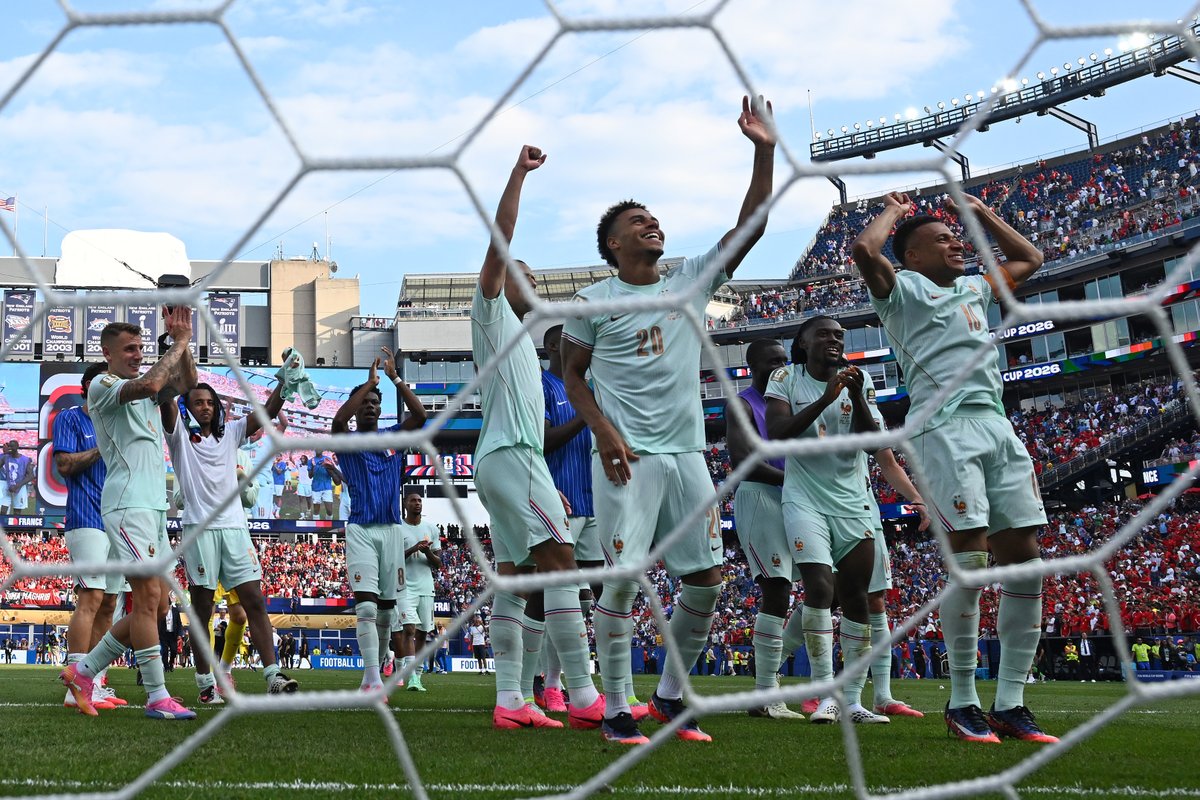
France squarely outplayed Morocco. The first half ended goalless, but France always seemed on the brink of scoring a goal without ever looking threatened at the back. Both goals they scored in the second half were beautiful. Mbappe has a weird ability to create time and space where there is none. His finish against Morocco was sumptuous, but how he set himself up for it plays with the limits of what is humanely possible. Dembele’s footwork and ball-carrying capacity were wonderfully on display for France’s second. In the end, against a very capable team that had done little wrong, France found it breezily easy.
France’s defence and midfield are no way as good as their attack, but their maximalist approach to strategising chance-creation by deploying a quartet of attackers is refreshingly optimistic and also severely daunting to deal with. Opponents have been mostly respectful and cautious toward all the semifinalists, but only against France have they seemed frightened. Surely playing against Messi is a frightening prospect, as is facing this Bellingham-Kane double-act. But they have relied more on moments. Especially Argentina and, to some extent, England have yet to dominate proceedings. Their control shows cracks. Spain has often controlled its games as expertly as France, but a lack of unpredictability makes its effectiveness less scary. France, as well as being aesthetically the most compelling, has been the most consistent at outplaying opponents by dictating not only the critical moments but also the moments in between.
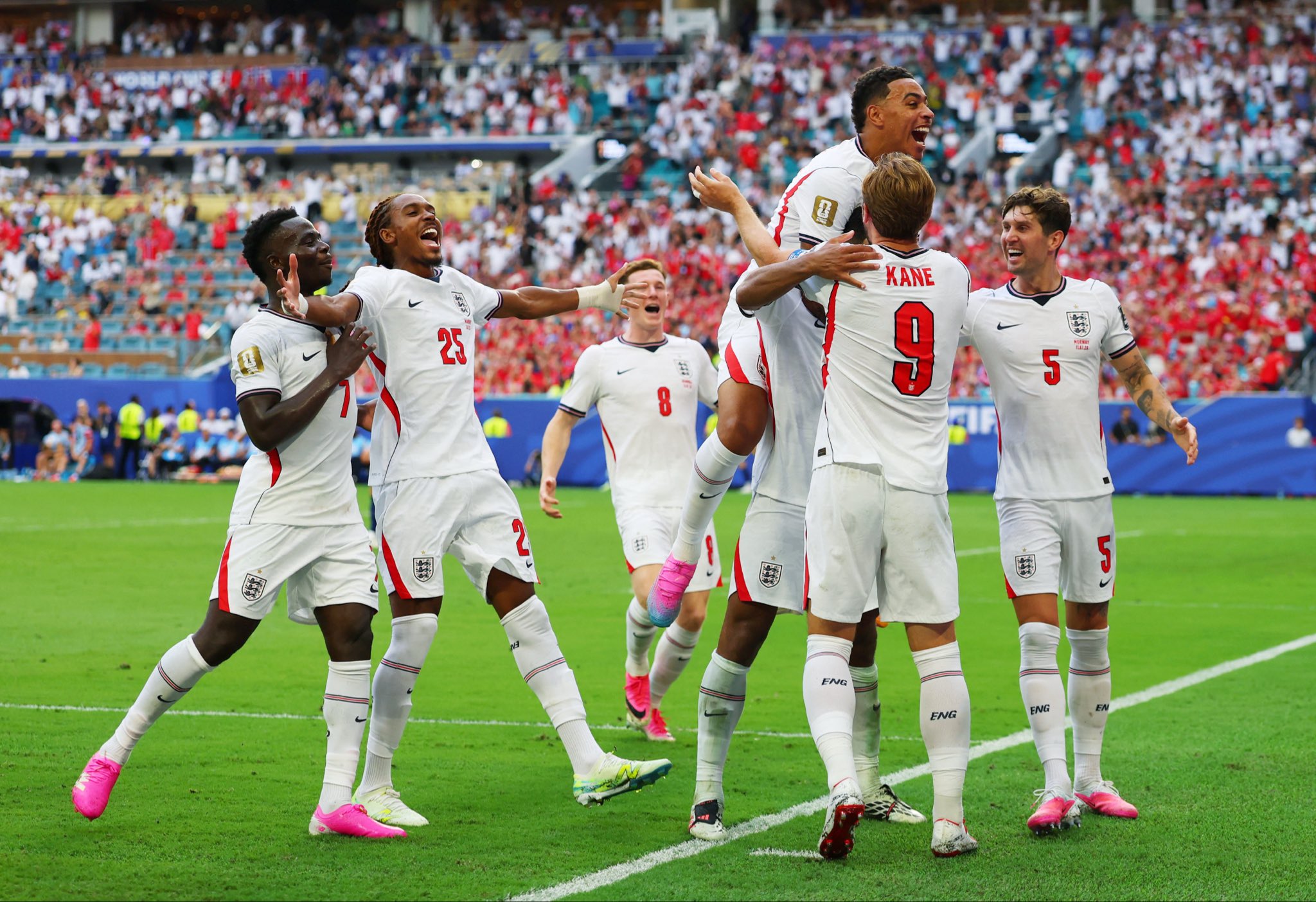
Spain, as was expected, maintained the lion’s share of possession against Belgium. Both their goals came from alert positioning inside the opposition box. There were stretches of time when Belgium looked capable of hurting Spain’s chance of progression, but all in all, Spain seemed to be the deserving winner. Compared to them, Belgium looked distinctly mediocre at times. As is becoming customary, Spain’s winning goal came quite late, courtesy of super-sub Mikel Merino, but the goal felt like a delayed inevitability rather than a rupture in the game.
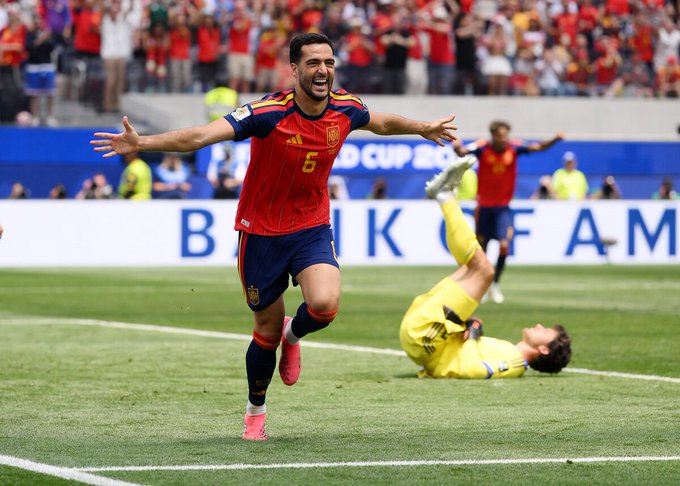
Spain conceded a goal, and for most of the match, the scorecard read equal. England actually went behind after an indefensible finish from Schjelderup, but soon equalised through Bellingham. It was a goal befitting of a player wearing no. 10 on the back. As the tournament heats up, Bellingham is making an increasingly strong case for the Golden Ball. And that is a testament to his all-around play and creative output. He scored, this time a no. 9’s goal, soon after the extra time started to send England to the semis, besides equalling a feat, last achieved by Maradona in ‘86, of scoring consecutive braces in World Cup knock-out games. Norway have had a generational run in this tournament. There were long stretches of play where they made England look quite blunt. But England’s strength in depth and sheer big-game pedigree were way too much for the neutral’s pick.
Argentina, despite its ability to keep winning, looks like the most flawed of the semifinalists. They seem allergic to the concept of controlling a game. During the knock-outs, they have always made it way more difficult for themselves than it befits a side that has not lost a knock-out match in seven years. They got a much less daunting set of fixtures up until the semifinals, and instead of capitalising on it and boosting their confidence, they decided to keep perilously dancing on the edge. It is entertaining, sure, but very often they seem to lack quality and imagination to the point that their games are way less enjoyable for football fans. Despite the hype around them and the presence of a certain Leo Messi, it seems quite obvious and uncontroversial to say that the semi-finals have been an overachievement for this version of Argentina.
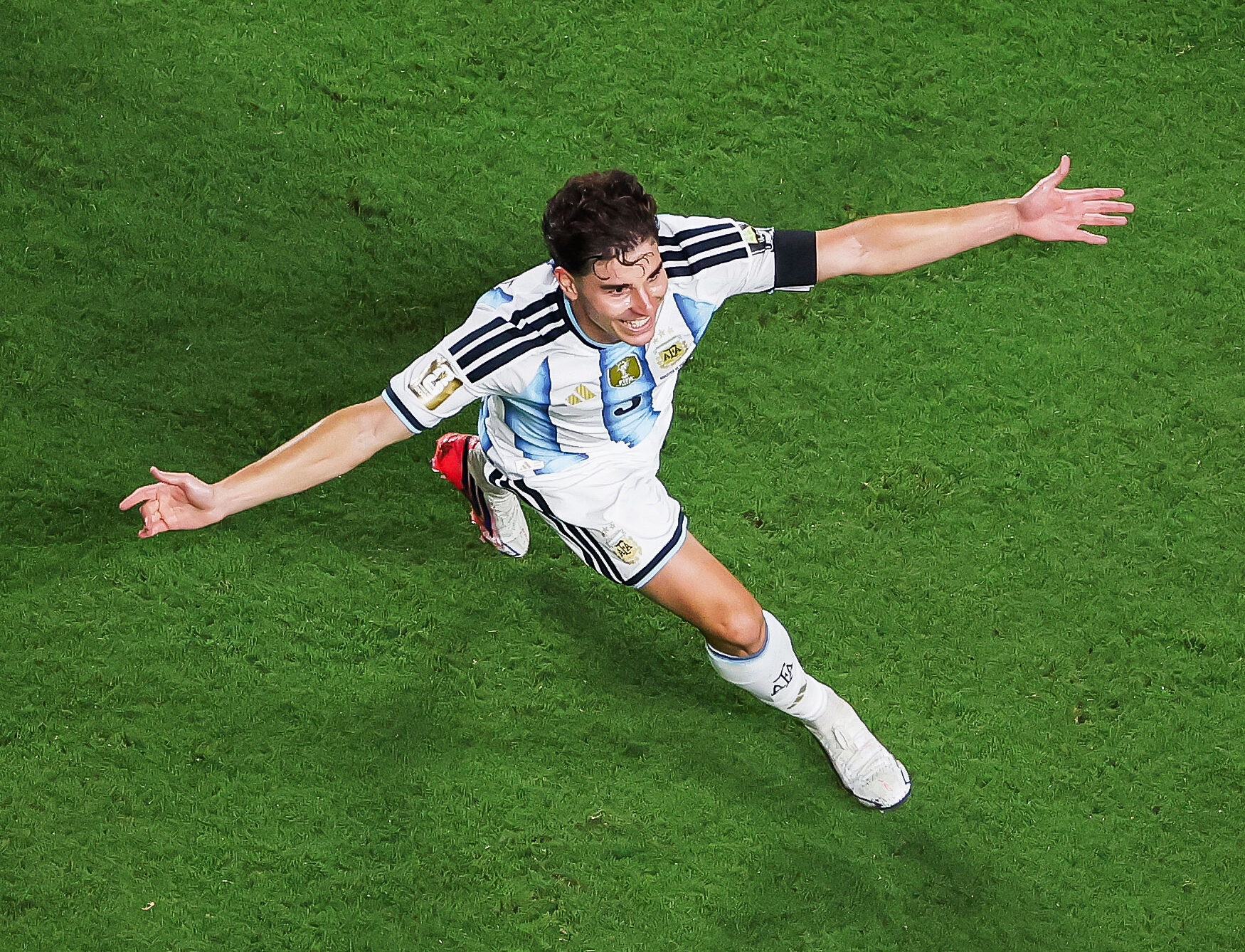
Argentina did open the scoring early with a well-taken goal from a corner, but soon the momentum shifted away from them. Switzerland are a thoroughly limited side with little ability to create chances. But they could not only hold their own against Argentina but also frequently looked capable of doing grave damage. They scored after a period of sustained dominance and could score even more had they not played with ten men after Embolo’s dismissal in the 72nd minute. They still kept Argentina at bay. The Swiss defence was only breached by a stunningly majestic shot that Julian Alvarez curled in from outside the box at the 112th minute. It was a jaw-dropping goal, but that only further underscores how dependent Argentina is on freakish moments to beat teams they are expected to comfortably outdo. The third goal provided some gloss on the score-sheet, but it only happened because Switzerland had to commit to attacking with a man down in the dying minutes of the game.
Apart from the satisfying symmetry of four progressively more chaotic matches, there is also a symmetry in having the semi-final match-ups between teams that have seemed more similar. The first semi-final between France and Spain is a game between the two most composed sides of the World Cup, who have successfully executed their game plan against relatively tougher opponents in the knockouts. The second semi-final promises a face-off between an England team that exhibits a plan that seems unconvincing at times and an Argentina team that seems to be manifesting its wins rather than bothering with the worldly matter of strategising. The first game, between two comparatively newer top dogs in football, will, irrespective of the result, decide who starts the final as favourites. It will be a high-quality football match. The second game, laden with storied acrimony, footballing and otherwise, will decide who gets to have a mighty crack at undermining our pursuit of declaring a favourite before the final. It may turn out to be a football match of dubious quality, but it is destined to become a very gripping story.
Read more – The Controversy That Follows Messi Off the Pitch
Also see – Argentina Survive Swiss Scare to Set Up Blockbuster World Cup Semi-final Against England
Follow Footy Times on Social Media:
Facebook | Instagram | Twitter | YouTube
Discover more from Footy Times
Subscribe to get the latest posts sent to your email.